
Facebook remarketing, more accurately called Meta retargeting, is advertising to people who have already interacted with a brand. They may have visited a website, viewed a product, opened a lead form, watched a video, engaged with Instagram content, added a product to cart or appeared in a customer list.
Good remarketing is not about following every user with the same ad. It is about matching the message to the user's previous behavior and current stage of the decision process.
Remarketing can be valuable, but it should be interpreted carefully. It often looks excellent in ad platform reports because it reaches people who were already warmer than cold audiences. The real question is not only "did remarketing convert?". It is "did remarketing create incremental value, recover users who would otherwise leave and improve the whole funnel?".
TL;DR
- Facebook remarketing uses Meta Ads to reach people who previously interacted with a website, app, profile, video, lead form, product catalog or customer list.
- The main data sources are Meta Pixel, Conversions API, Custom Audiences, catalog events, engagement audiences and customer lists.
- Segment users by intent: visitor, product viewer, cart abandoner, checkout starter, lead, customer or lapsed customer.
- Dynamic catalog ads are useful for ecommerce when product data, IDs, prices, availability and events are correct.
- Remarketing needs exclusions, frequency control, creative rotation and privacy-aware data use.
- High remarketing ROAS can be misleading if it only captures people who would have converted anyway.
- Meta automation can reach returning users inside broader campaigns, but dedicated remarketing still helps when a specific message or lifecycle segment is needed.
What is Facebook remarketing?
Facebook remarketing is the use of Meta Ads to re-engage people who have already shown some form of interest.
Common examples:
- website visitors;
- product page viewers;
- add-to-cart users;
- checkout starters;
- pricing-page visitors;
- lead form openers;
- video viewers;
- Instagram or Facebook engagers;
- past customers;
- newsletter subscribers;
- CRM leads;
- app users.
The audience is usually built as a Custom Audience in Meta Ads Manager, using website events, engagement, app data, customer lists or other eligible sources.
Remarketing vs retargeting
The terms are often used interchangeably. In practice:
- retargeting usually means paid ads shown to users after earlier behavior;
- remarketing can also include email, CRM and customer lifecycle messages.
This article focuses on paid Meta retargeting across Facebook and Instagram placements.
How Meta remarketing works
Meta needs a signal that someone belongs to an audience. That signal can come from:
- Meta Pixel browser events;
- Conversions API server events;
- app events;
- engagement with Facebook or Instagram;
- lead form activity;
- catalog activity;
- uploaded customer lists;
- offline or CRM events where configured.
The user is added to an audience for a defined retention window. A campaign can then include that audience, exclude it, or use it as a signal depending on objective and setup.
The practical quality of remarketing depends on three things:
- signal quality: whether Pixel, Conversions API, catalog and CRM events are accurate;
- audience logic: whether segments reflect real intent instead of vanity engagement;
- message fit: whether the ad answers the next objection or step for that segment.
If one of those layers is weak, the campaign may still spend and generate reports, but the business value becomes harder to defend.
Main remarketing sources
Website audiences
Website audiences are built from Pixel and event data.
Useful segments include:
- all visitors;
- visitors of specific pages;
- product viewers;
- add-to-cart users;
- checkout starters;
- form page visitors;
- high-time-on-site users;
- users who completed or did not complete a specific event.
Website audiences should be segmented by intent. Someone who read a blog post is not the same as someone who abandoned checkout.
Catalog and product events
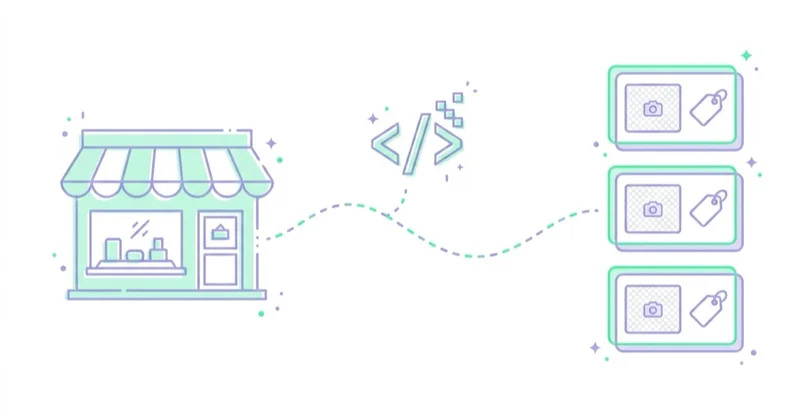
For ecommerce, catalog events allow Meta to show relevant products from a product catalog.
This requires:
- product catalog;
- correct item IDs;
- consistent content_ids or item identifiers;
- Pixel and/or CAPI product events;
- product availability;
- price and currency accuracy;
- good images;
- product sets where useful.
Dynamic product ads can show viewed products, related products or product sets. They work best when feed quality and event quality are strong.
Engagement audiences
Engagement audiences are based on interactions inside Meta environments.
Examples:
- Instagram profile engagement;
- Facebook page engagement;
- video viewers;
- people who saved or interacted with posts;
- lead form openers;
- messages.
These audiences are useful when users engage before visiting the website, which is common in social-first categories.
Customer lists
Customer lists can be used for:
- retention;
- reactivation;
- cross-sell;
- upsell;
- excluding current customers from acquisition;
- creating source audiences.
Data should be first-party, consented, current and compliant with platform policies and privacy law.
Remarketing by funnel stage
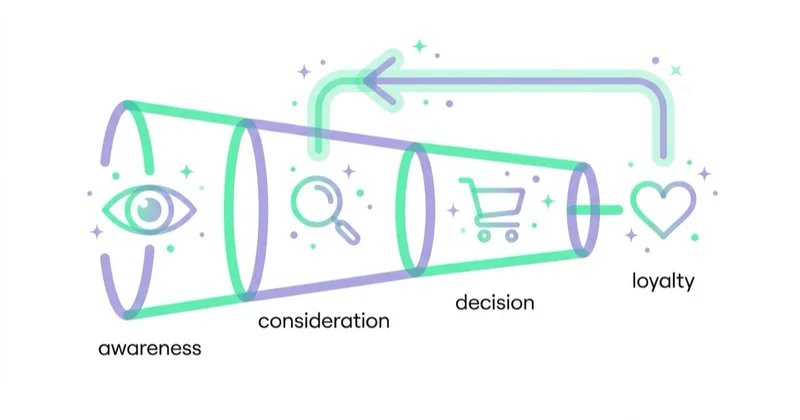
Low-intent visitors
Examples:
- homepage visitors;
- blog readers;
- social profile engagers;
- video viewers with low completion.
Message:
- education;
- useful content;
- brand proof;
- category explanation;
- next soft step.
Avoid pushing a hard sales offer too early.
Mid-intent users
Examples:
- service-page visitors;
- product viewers;
- comparison readers;
- pricing-page visitors;
- video viewers with meaningful watch depth.
Message:
- benefits;
- objections;
- comparison;
- testimonials;
- case study;
- product demonstration.
High-intent users
Examples:
- add-to-cart users;
- checkout starters;
- lead form openers;
- demo page visitors;
- quote form abandoners.
Message:
- delivery and return details;
- proof;
- risk reduction;
- payment reassurance;
- implementation steps;
- support availability;
- limited incentive where margin allows.
Existing customers
Examples:
- recent buyers;
- repeat buyers;
- lapsed customers;
- buyers of one category who may need another.
Message:
- onboarding;
- replenishment;
- cross-sell;
- loyalty;
- new collection;
- upgrade;
- review request.
Audience matrix for Meta remarketing
Useful remarketing usually starts with a small matrix instead of one large audience.
| Segment | Intent level | Better message | Typical exclusion |
|---|---|---|---|
| Blog or content readers | Low | Education, category problem, soft CTA | Recent converters |
| Social engagers | Low to mid | Brand proof, best content, product explanation | Existing customers if acquisition-only |
| Product viewers | Mid | Product benefits, reviews, comparison, variants | Purchasers of that product |
| Add-to-cart users | High | Delivery, returns, payment trust, stock, support | Recent purchasers |
| Checkout starters | Very high | Friction removal, payment reassurance, help | Completed purchases |
| Lead form openers | High | Simpler next step, proof, contact reassurance | Submitted leads |
| Past customers | Retention | Cross-sell, replenishment, loyalty, new collection | Customers already buying that item |
| Lapsed customers | Reactivation | New reason to return, changed offer, useful update | Recent active customers |
The table is only a starting point. In a luxury product, a 30-day product viewer may still be valuable. In a low-cost impulse category, a long window may be too broad.
Retention windows and exclusions
Audience windows should match the buying cycle.
Common logic:
- 1-7 days for checkout starters and urgent cart recovery;
- 7-14 days for add-to-cart users in many ecommerce categories;
- 14-30 days for product viewers, service-page visitors and lead form openers;
- 30-90 days for considered purchases, B2B services, education and high-ticket products;
- 90-180 days or longer for customer reactivation, replenishment or seasonality where policy and consent allow.
Exclusions are as important as inclusions. Acquisition campaigns often need to exclude recent buyers, submitted leads or existing customers. Remarketing campaigns often need to exclude users who already completed the next step. Without exclusions, the same person can receive the wrong message after converting.
Remarketing and Advantage+
Meta's automated campaigns and Advantage+ audience can reach people who already interacted with the brand. That means dedicated remarketing is not always required in a separate campaign.
Dedicated remarketing still makes sense when:
- the segment needs a specific message;
- cart or checkout users require recovery ads;
- customer lists need retention or exclusion logic;
- product catalog retargeting is needed;
- lead nurture needs a different proof sequence;
- frequency needs to be watched separately;
- the business needs separate reporting for warm audiences.
For smaller accounts, a simple structure is usually better than too many small remarketing ad sets.
Frequency and creative fatigue
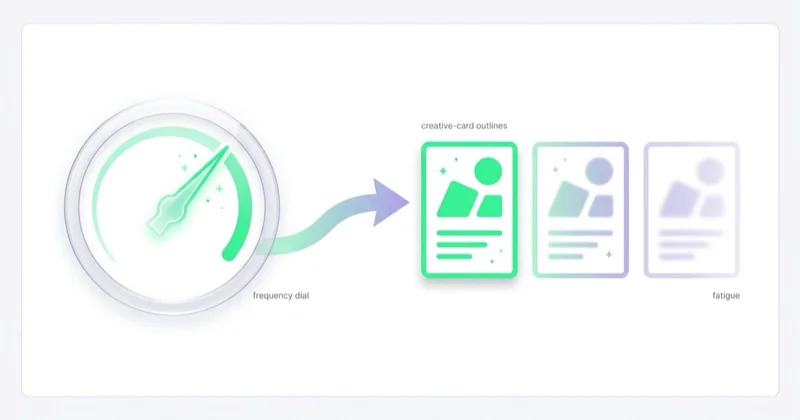
Remarketing audiences are smaller than cold audiences. Frequency can rise quickly.
Monitor:
- frequency;
- CPM;
- CTR;
- CPA;
- negative comments;
- relevance signals;
- conversion rate;
- creative-level performance;
- audience size;
- budget relative to audience.
If frequency rises and performance falls, rotate creative, shorten the audience window, reduce budget, broaden the audience or change the message.
Privacy and consent
Remarketing uses behavioral or customer data, so privacy matters.
Good practice:
- use a compliant consent management setup where required;
- explain advertising and analytics data use in the privacy policy;
- respect opt-outs and list hygiene;
- avoid overly invasive ad copy;
- do not use purchased lists;
- exclude users when messaging would be inappropriate;
- keep retention windows reasonable;
- use Conversions API and Pixel according to Meta policies.
Ad copy should feel helpful, not like surveillance. "Still comparing options?" is usually safer than "We saw you viewed this exact product at 22:14".
Pixel, CAPI and event quality
Meta Pixel and Conversions API should work together, not fight each other. Pixel sends browser-side events. Conversions API can send server, website, app, CRM, offline or messaging events more directly to Meta. When both send the same event, deduplication needs to be configured so Meta understands that it is one event, not two.
Important checks:
- event names match the business goal;
- Purchase, Lead, AddToCart and InitiateCheckout fire at the right moment;
- purchase value and currency are correct;
- content IDs match the catalog;
- events are not duplicated;
- consent choices are respected;
- event match quality is reviewed;
- test events are not mixed with production reporting;
- CRM or offline events use consistent identifiers where available.
Bad event quality is one of the fastest ways to damage remarketing. If a cart event fires on every product view, cart audiences become meaningless. If purchase value is missing, ROAS reporting is incomplete. If lead events include spam, the campaign may learn to find more spam.
How to measure remarketing
Remarketing should be measured with more care than cold acquisition.
Use:
- CPA or ROAS;
- revenue and margin;
- lead quality;
- frequency;
- audience size;
- assisted conversions;
- new vs returning customer mix;
- CRM quality;
- incremental lift where possible;
- comparison against holdout or reduced-spend periods;
- GA4 and platform reporting side by side.
Remarketing often claims credit for users who were already close to converting. This does not make it useless, but it means last-click or platform ROAS can overstate its true incremental value.
Better questions:
- Did cart recovery improve total purchase volume, or only move credit from another channel?
- Did repeat purchase campaigns increase customer value, or reach buyers who reorder anyway?
- Did lead nurture improve qualified leads, or only add cheap forms?
- Did remarketing reduce the time from first visit to conversion?
- Did creative rotation reduce fatigue and protect brand perception?
In small accounts, formal lift tests may be unrealistic. Even then, compare remarketing trends with total revenue, branded search, CRM quality and periods with lower spend.
Ecommerce remarketing setup
A practical ecommerce sequence:
- product viewers: product benefits, reviews, comparisons;
- add-to-cart users: delivery, returns, social proof;
- checkout starters: payment trust, support, urgency if honest;
- purchasers: exclude from acquisition, then cross-sell or onboarding;
- lapsed buyers: new products, replenishment or win-back.
Also review abandoned carts and recovery tactics.
Lead generation remarketing setup
For services and B2B:
- service page visitors: case study or proof;
- pricing viewers: consultation or comparison asset;
- lead form openers: lower-friction next step;
- webinar viewers: follow-up guide or demo;
- submitted leads: exclude from acquisition or move to nurture;
- qualified leads: sales-support content.
For instant forms, see Facebook Lead Ads.
Creative principles for remarketing
Remarketing creative should not simply repeat the first ad. It should respond to what is already known about the user.
Useful angles:
- Proof: reviews, case studies, before-and-after, customer examples.
- Risk reduction: delivery, returns, warranty, support, onboarding, implementation.
- Comparison: why this product, plan or service is different.
- Education: how to choose, how it works, what to avoid.
- Reminder: cart, quote, saved product or unfinished form, written without invasive wording.
- Retention: usage tips, replenishment, complementary products, upgrade path.
Creative fatigue matters more in remarketing because the audience is smaller. Prepare several messages per segment instead of several visual variants of the same sentence.
How we approach this at Space Ads
We structure Meta remarketing by how close someone is to buying — a cart-adder hears something different from a page-viewer, and recent buyers are usually excluded from acquisition. In the Andromeda era, though, we no longer carve the audience into dozens of micro-lists; groups that are too narrow starve the system of data and drive cost up. We keep them broader and let the algorithm pick the moment. Most of the attention goes to creative instead: the same person doesn't see one ad on loop, we rotate the message, because fatigue turns into falling performance faster here than almost anywhere. Remarketing is how we close the journey, not a trick for padding last-click numbers.
Common mistakes
- One generic remarketing audience for everyone.
- No exclusions for recent buyers or submitted leads.
- Too much budget for a small audience.
- High frequency with no creative rotation.
- Overly personal ad copy.
- Catalog ads with wrong product IDs or unavailable items.
- No CAPI, poor event quality or duplicate events.
- Judging remarketing only by platform ROAS.
- Using the same message for blog readers and checkout abandoners.
- Running discounts by default and damaging margin.
30-day remarketing setup plan
Week 1: audit signals
Check whether Pixel and Conversions API events are firing, deduplicated and assigned to the right dataset. Review ViewContent, AddToCart, InitiateCheckout, Purchase, Lead and any custom events used by the business. For customer lists, confirm that data is current and eligible for advertising use.
Week 2: build segments
Create a small number of useful audiences instead of dozens of tiny ones. For example: product viewers, cart abandoners, checkout starters, recent purchasers, engaged video viewers and submitted leads. Define retention windows based on the buying cycle.
Week 3: write stage-specific creative
Prepare different messages for education, proof, cart recovery, lead nurture and retention. Do not use one discount-led ad for everyone. For high-intent users, remove anxiety. For lower-intent users, build trust and explain the offer.
Week 4: review incrementality and fatigue
Check frequency, audience size, spend, CPA, ROAS, lead quality and overlap with broader campaigns. If remarketing looks too good, ask whether it is recovering users or only claiming credit for users who would have returned anyway.
FAQ
Does Facebook remarketing still work?
Yes, when audiences, events, consent, exclusions and messages are well designed. It is less effective when one generic ad is shown repeatedly to every warm user.
What is the best Meta remarketing audience?
The best audience depends on the business. In ecommerce, add-to-cart and checkout users are often high intent. In B2B, pricing-page visitors, lead form openers and engaged content readers can be valuable.
How long should a remarketing audience window be?
Use shorter windows for urgent actions such as carts or checkout and longer windows for considered purchases, B2B services or expensive products. The window should match the buying cycle.
Should current customers be excluded?
Usually yes in acquisition campaigns. But customers can be targeted separately for onboarding, repeat purchase, cross-sell, upsell or reactivation.
Can remarketing be too aggressive?
Yes. High frequency, invasive copy and repetitive creative can hurt brand perception. Monitor frequency and rotate messaging.
Is remarketing enough without prospecting?
No. Remarketing depends on warm audiences created by other activity. If no channel creates demand, remarketing pools eventually become too small.
Conclusion
Meta remarketing is useful when it supports the customer journey rather than chasing every visitor with the same ad. The strongest setups use clear segments, clean Pixel and CAPI events, product catalog quality, sensible exclusions, helpful creative and careful measurement.
Remarketing should recover demand, reduce friction and support retention. It should not be treated as proof that the whole media strategy is working by itself.
We run Pixel- and CAPI-based remarketing within Facebook and Instagram ads.
Sources and further reading
- Meta for Business: About Conversions API
- Meta for Business: Advantage+ audience
- Meta for Business: Meta Business Tools
- Meta for Business: Advantage+ shopping campaigns
- Meta for Developers: Custom Audiences
- Meta for Developers: Conversions API
- Meta Transparency Center: Commerce policies
Continue learning
Continue reading

What Is Meta Pixel and How to Use It?
Meta Pixel is browser-side tracking for Meta Ads, but a useful setup depends on event design, parameters, consent, CAPI and deduplication. This guide explains which events to configure for ecommerce and lead generation, how to test them, and why Pixel data should be checked against GA4, CRM or backend results before campaigns rely on it.
Meta Ads Audiences: How to Build Facebook Audiences
Meta Ads audiences are no longer just narrow interest groups. Learn how Custom Audiences, lookalikes, Advantage+ audience, exclusions, Pixel, CAPI and first-party data work together.

What Is a Sales Campaign and How to Plan It?
A sales campaign needs a clear offer, conversion goal, tracking, creative, landing page and optimisation plan across Meta, Google and owned channels.


































