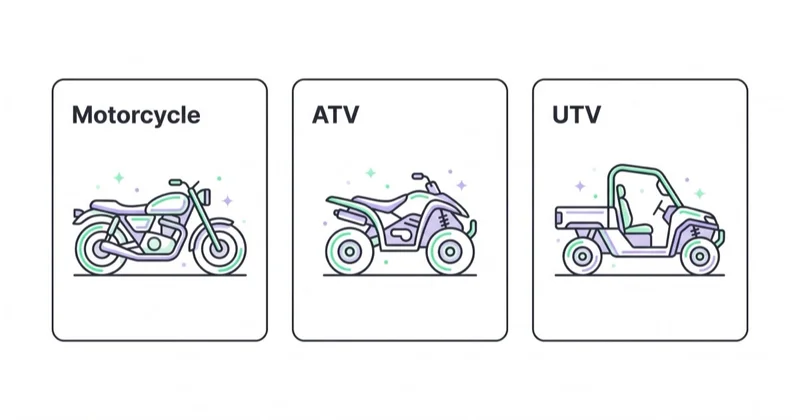
Powersports dealership marketing should not be copied from a car dealership media plan. Motorcycles, ATVs, UTVs, snowmobiles, personal watercraft, trailers, gear, accessories and service all have different demand patterns. The buyer is often motivated by season, community, lifestyle, terrain, brand preference and upgrade timing, not only by a model search.
That changes the channel mix. Google Search still matters for high-intent model and local dealer queries, but creative, video, Meta, events, service demand and CRM follow-up usually carry more weight than they do in a standard car dealership account.
Key Takeaways
- Powersports is more seasonal than car retail. Campaign planning should start before peak riding or boating demand arrives.
- Google Vehicle Ads are not the default answer. Google lists motorcycles and several non-passenger categories as unsupported in Vehicle Ads, so powersports needs other inventory and demand tactics.
- Search captures ready buyers. Brand, model, dealer, finance, used inventory, service and parts queries are still important.
- Meta and video create demand. Riding context, trail use, water, events, gear and community give creative a larger role.
- After-sale revenue matters. Parts, accessories, service, storage, gear and upgrades can change the value of a customer.
- CRM quality should guide budget. Enquiries, appointments, demos, finance progress, sold units and service revenue should be separated.
Why powersports is a separate category
A powersports dealer may sell inventory, but the business is not only inventory retail. It is often a local community hub, service provider, parts counter, gear seller, event organiser and brand representative. A buyer may first engage through a ride day, service visit, helmet purchase, finance question, used-bike search or OEM launch.
The differences from car retail are practical:
| Area | Car dealership | Powersports dealership |
|---|---|---|
| Demand curve | more consistent through the year | stronger seasonal peaks |
| Inventory intent | vehicle and trim comparison | model, ride style, terrain, use case |
| Creative | price, trim, availability, offer | lifestyle, use, community, sound, terrain |
| After-sale value | service and trade cycle | gear, parts, accessories, service, upgrades |
| Events | useful but secondary | often central to demand creation |
| Google Vehicle Ads | fit for eligible passenger vehicles | not the core format for motorcycles and many powersports units |
The media plan should reflect that. A campaign built only around "unit lead at lowest CPL" can miss the value of accessories, service, repeat purchases and seasonal timing.
Channel roles
Powersports works best when each channel has a clear job.
| Channel | Role | What to measure |
|---|---|---|
| Google Search | capture model, dealer, finance and local intent | cost per qualified enquiry, appointment, sold unit |
| Meta and Instagram | visual discovery, community, remarketing | enquiries, event interest, assisted demand, appointments |
| YouTube and short-form video | show the unit in use | engaged views, site visits, assisted enquiries |
| Email and SMS | move warm leads and owners | appointments, service bookings, accessories revenue |
| Events and ride days | create trust and urgency | RSVPs, attendance, post-event sales |
| CRM | connect enquiries to outcomes | show rate, finance, sold unit, repeat value |
Search should not carry the whole burden. A rider may not search until the idea is already formed. Meta, video and community activity can create that idea before search demand appears.
Search campaigns for powersports
Search campaigns should be specific enough to separate intent.
Useful groups:
- dealer brand and location searches;
- OEM brand and local dealer searches;
- model and model-year queries;
- used motorcycle, ATV or UTV inventory;
- finance and monthly payment intent;
- trade-in and valuation intent;
- service, repair, storage and winterisation;
- parts, accessories and gear;
- event or demo-day queries.
Negative keyword work matters. Jobs, manuals, free downloads, toys, unrelated parts, private-party repairs and DIY research can drain spend. For service campaigns, separate repair, maintenance, winterisation, accessory installation and parts counter demand because they do not produce the same value.
Landing pages should match the buyer's use case. A trail-focused UTV shopper needs different proof than a sport-bike shopper or a first-time rider asking about finance.
Meta, Instagram and video
Powersports is visual and emotional. That makes Meta, Instagram and video more useful than they are in many local categories.
Good creative does not only show the unit in a showroom. It shows the reason to care:
- road, trail, track, water or snow context;
- rider community and dealership events;
- accessories and upgrade paths;
- service expertise;
- first-time buyer education;
- finance or trade-in explanation;
- seasonal readiness;
- used inventory arrivals.
The best creative is specific. "New units available" is weak. "Pre-season UTV check: trails open soon, service slots and accessories are booking now" gives the buyer a reason to act. "First ride weekend: demo day, gear fitting and finance pre-check" ties media to a dealership moment.
Seasonality and campaign timing
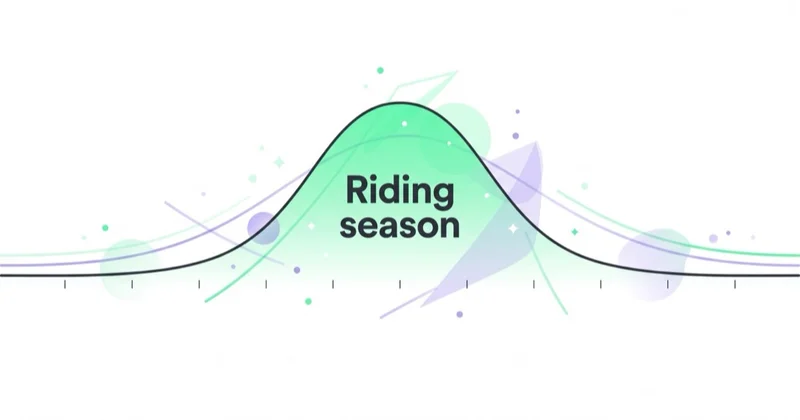
Powersports budgets should move with the season. Waiting until search demand peaks means the audience has already narrowed.
| Phase | Campaign focus |
|---|---|
| Pre-season | awareness, finance education, trade-in, service readiness, event RSVPs |
| Peak season | available inventory, demos, finance, accessories, service capacity |
| Late season | clearance, used inventory, upgrades, storage, maintenance |
| Off-season | service, parts, gear, community, pre-order and next-season planning |
This is especially important for ATVs, UTVs, personal watercraft and snow-related categories. Demand is not flat. Budget should not be flat either unless the dealership has a deliberate reason to keep it stable.
Inventory and listings
Even without Google Vehicle Ads as the main format, inventory quality still matters. The dealership website should keep model, year, price, availability, images, condition and location accurate. A user who clicks a paid ad and lands on stale inventory loses trust fast.
Inventory pages should answer:
- is the unit available;
- is it new or used;
- what is the price or finance path;
- where is it located;
- what accessories or packages are included;
- how to book a viewing, demo or call;
- what trade-in or finance options exist;
- what service support the dealership provides.
For Meta catalogs or dynamic activity, product IDs and site events should match. For paid search, the landing page should be tight enough that the user does not have to restart the search on the dealership site.
Measurement: unit sales plus after-sale value
Powersports lead quality cannot be judged by form volume alone. The sales cycle often extends into service, accessories and repeat purchases.
Measure:
- calls and meaningful call duration;
- lead forms by type;
- appointment or demo booking;
- show rate;
- finance progress;
- sold unit;
- gross profit where available;
- service booking;
- parts and accessory revenue;
- repeat purchase or upgrade.
A buyer who purchases a unit and returns for gear, accessories and service can be more valuable than the first sale suggests. That does not mean every campaign should get credit for future service revenue, but planning should account for customer value beyond first-unit margin.
Events, community and owner marketing
Powersports dealerships have an advantage that many car dealers do not: community can be part of the acquisition system. Ride days, demo events, safety sessions, trail meetups, service clinics, launch nights and accessory workshops can all become media assets.
The marketing loop:
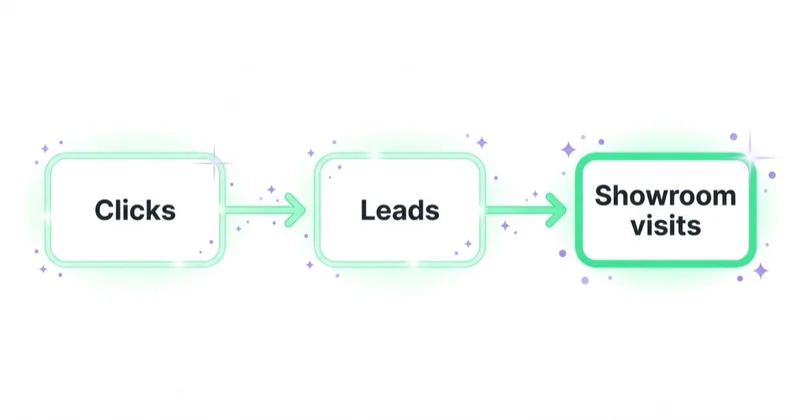
- Promote the event to local riders and warm audiences.
- Capture RSVPs with clear consent and CRM fields.
- Follow up before attendance.
- Record attendance and interests.
- Connect attendees to units, finance, gear or service.
- Retarget with relevant next steps.
This is more operational than a simple lead ad, but it creates stronger context. It also gives the dealership creative that feels real because it is built from actual local activity.
How Space Ads approaches powersports marketing
At Space Ads, powersports marketing starts with the business calendar. We separate units, service, parts, accessories, events and seasonality before assigning channels. Search captures active demand, Meta and video build demand, and CRM feedback shows which enquiries become appointments, sold units and repeat revenue.
The usual work includes:
- search structure by brand, model, service and local intent;
- Meta and Instagram creative by use case and season;
- event and demo-day promotion;
- inventory landing-page review;
- CRM measurement for enquiries, appointments and sold units;
- service and accessories campaigns for owner value;
- reporting that separates first-unit sales from after-sale value.
This connects with Google Ads, Meta Ads, performance marketing, and the local acquisition logic in Google Ads for local businesses.
Practical setup order
- Separate business lines: new units, used units, service, parts, accessories and events.
- Map seasonality by category and market.
- Build search campaigns for dealer, OEM, model, finance, used and service intent.
- Build Meta and video campaigns around ride context, events, inventory arrivals and community.
- Keep inventory pages accurate and easy to act on.
- Connect CRM stages to enquiries, appointments, demos, finance and sold units.
- Report first sale and after-sale value separately.
FAQ
What is powersports dealership marketing?
Powersports dealership marketing is paid and owned media for motorcycle, ATV, UTV, snowmobile, personal watercraft, gear, parts and service businesses. It combines local search, social creative, events, inventory promotion, service marketing and CRM measurement.
Can motorcycle dealers use Google Vehicle Ads?
Google Vehicle Ads are not the default format for motorcycle dealers. Google's Vehicle Ads policies list motorcycles and motor bikes among unsupported examples, so motorcycle and powersports dealers usually need a different mix of search, social, video, local pages and CRM feedback.
Which channels work best for powersports dealers?
Google Search works for active model, dealer, service and finance intent. Meta, Instagram and video work well for visual discovery, events, seasonal demand and community. Email and SMS help with warm leads, service and owner marketing.
How should powersports dealers handle seasonality?
Plan campaigns before peak demand arrives. Use pre-season campaigns for awareness, trade-in, finance and service readiness; peak season for inventory and demos; late season for clearance and service; off-season for storage, parts, gear and next-season planning.
What should powersports dealers measure?
Measure enquiries, calls, appointments, demos, finance progress, sold units, service bookings, parts and accessory revenue. Form volume alone is too weak because customer value often extends after the first sale.
In Short
Powersports dealership marketing needs its own plan. Search captures ready buyers, Meta and video create demand, events build local trust, and service plus accessories change the value model. Treating motorcycles, ATVs and UTVs like car inventory misses the seasonal and community-driven nature of the category.
Sources
- Google Merchant Center Help - Vehicle ads overview
- Google Merchant Center Help - Vehicle ads policies
- Meta for Developers - Catalog reference
- Google Ads Help - About Performance Max campaigns
Continue Learning
Continue reading
Car Dealership PPC: Google Vehicle Ads, Search and CRM Measurement
Car dealership PPC works when live inventory, Google Vehicle Ads, local search intent and CRM outcomes are connected. This guide covers the operating model behind campaigns that produce appointments and sold units.

Language School Marketing: Two Businesses, One Building
Language schools often combine consumer enrolment and corporate training. Market them as separate buying journeys, then connect campaigns to attendance, enrolment, group contribution and continuation.

Driving School Marketing: Selling Instructor Hours, Not Courses
A practical system for growing a driving school around real instructor capacity: local demand, transparent lesson offers, compliant proof, responsive booking and completed-pupil value.