Interior designer and design studio marketing is not ordinary lead generation. A client is not only buying availability or a short consultation. The decision is about taste, trust, process, budget discipline, communication and confidence that the studio can translate a lifestyle or business need into a finished space. The portfolio is therefore not decoration. It is the core sales asset.
The strongest marketing system for an interior designer connects several layers: local Google Search for people already looking for a designer, Instagram and Meta for visual discovery, Pinterest for inspiration planning, project case studies, a clear inquiry path, budget qualification and CRM measurement from first contact to signed project. The goal is not a high number of leads. The goal is a smaller number of inquiries that match the studio's style, scope, budget and capacity.
TL;DR
- Interior designer marketing should sell portfolio, process and fit. Generic ads with a short form usually attract weak inquiries.
- Google captures local intent. Queries such as "interior designer [city]" or "interior design studio [city]" may have limited volume, but they are close to the decision.
- Meta and Instagram show taste before the first conversation. Reels, carousels, transformations, details and process content help prospects decide whether the studio's style fits.
- Pinterest works earlier in the planning journey. It is useful for inspiration, style discovery and evergreen portfolio traffic.
- Lead qualification protects the studio calendar. Forms should capture project type, location, square footage, timeline, scope and budget range.
- Measurement should reach signed projects. A low cost per lead means little without consultation quality, proposal status, signed contract and project value.
Why Interior Design Marketing Is Different
Interior design is visual, high-trust and often high-ticket. The client may not fully understand the difference between concept design, technical drawings, procurement, project coordination, styling, renovation support or commercial design. Marketing has to educate and filter at the same time.
The main differences from simple local services are:
- The decision is visual. The prospect needs to see taste, detail, materials, light, space planning and completed work before making contact.
- Budget fit is critical. A lead without realistic budget can consume time without any chance of becoming a project.
- The decision cycle is longer. Prospects compare portfolios, reviews, process, availability, price, style and communication.
- Referrals matter. Paid media should amplify reputation, not replace it with loud promises.
- Projects have different economics. A small apartment consultation, full home renovation, premium residence, restaurant and office project need different paths.
Weak campaigns usually push cold traffic to a generic services page with a gallery and a contact form. Strong campaigns show real projects, explain the process, set expectations and qualify the inquiry.
Segment the Market Before Running Ads
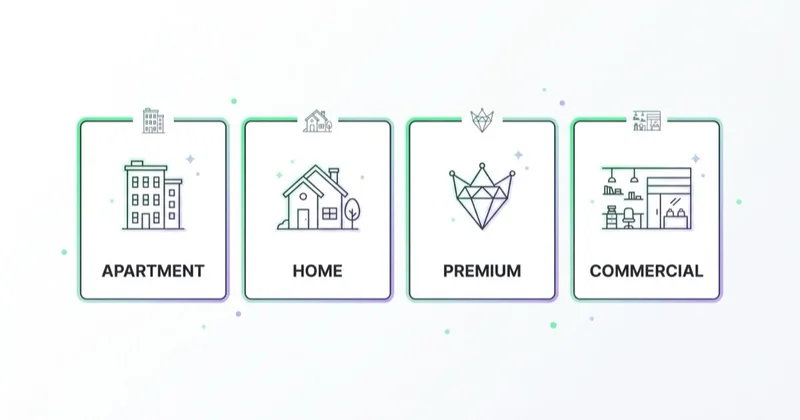
One studio can serve several project types, but one campaign should not treat them as the same.
| Segment | Client Decision | What to Show |
|---|---|---|
| New-build apartment | Layout, handover timing, budget, finish schedule | Developer floor plan, process, scope, furniture and contractor coordination |
| Single-family home | Larger scope, many rooms, longer timeline | Full-process capability, materials, phases, coordination |
| Premium residential | Detail, discretion, materials, aesthetic confidence | Curated case studies, finishes, press, references, strong photography |
| Commercial interiors | Function, ROI, operations, multiple stakeholders | Case studies, business objectives, timeline, approval process |
| Consultations | Fast expert input, layout, color, material choices | Clear scope, price range, booking route |
| Furniture or joinery-led projects | Specific built-ins or bespoke pieces | Detail shots, technical competence, supplier process |
This segmentation helps both SEO and paid media. A person searching for a designer for a new apartment has different questions than a restaurant owner planning a hospitality interior. A main "interior design" page can act as a hub, but the most valuable intents need dedicated pages or sections.
Google Ads: Small Volume, High Intent
Google Ads can work for interior designers when the campaign focuses on concrete intent. It is usually not a broad-volume channel.
Useful query clusters include:
- interior designer [city];
- interior design studio [city];
- residential interior designer;
- apartment interior designer;
- interior designer for new-build apartment;
- luxury interior designer;
- commercial interior designer;
- restaurant interior design;
- office interior design;
- interior design consultation.
Google's keyword guidance emphasizes close alignment between keywords, ads and landing pages. That principle matters here. A search for "restaurant interior design" should not land on a residential gallery. A search for "new apartment interior designer" should lead to a page about layout, handover, scope, contractor coordination and examples from similar projects.
Negative keywords should be added before scale. Common exclusions include jobs, salary, courses, degree, school, software, app, free, DIY, ideas, wallpaper, furniture store, template, floor plan download and product-only searches. Some informational terms can be valuable for organic content, but they should not drain a campaign built for project inquiries.
Meta and Instagram: Portfolio as Creative
Meta and Instagram are natural channels for interior design because the service is visual. The creative should show real work and the thinking behind it.
Strong creative angles include:
- before-and-after transformation with a short design decision;
- carousel from floor plan to visualization to completed room;
- room walkthrough or reveal;
- material palette and detail close-ups;
- lighting, joinery, hardware or surface decisions;
- "problem solved" content such as storage, layout or flow;
- project story by client type;
- team and process content that builds trust.
The aim is not only reach. A good creative filters. It should attract clients who like the studio's aesthetic and understand the service level. Beautiful inspiration without budget, location or process context can generate engagement but weak inquiries.
For paid social, Meta Advantage+, creative testing and remarketing can help, but only when the conversion signal is meaningful. Optimizing toward every low-friction lead can teach the system to find people looking for free advice. For high-consideration services, the better signal is qualified inquiry, booked consultation, proposal sent or signed project.
Pinterest for Interior Design
Pinterest is important because people use it to find ideas, plan styles and collect inspiration. Pinterest Business describes the platform as a place where people find new brands and ideas across the journey from browsing to action. That fits interior design better than many other service categories.
For a design studio, Pinterest can support:
- evergreen portfolio visibility;
- style discovery by room, material, color or project type;
- moodboard and inspiration traffic;
- content around layouts, details and storage solutions;
- ads for awareness, consideration or conversion where assets and tracking justify it.
Pinterest should not replace the website. Each pin should lead to a useful destination: case study, room portfolio, style guide, inquiry page or article. Pins should be described with clear context: room type, style, problem solved, location or project type.
Portfolio and Case Studies
A gallery shows taste. A case study sells trust. The best interior design portfolios explain why the project worked, not only how it looked.
A strong case study includes:
- property type and approximate size;
- city or region where relevant;
- client goal and constraints;
- studio scope;
- functional decisions;
- materials, lighting and key details;
- process from brief to final delivery;
- photography, renderings or plan comparisons;
- outcome written in practical language.
Case studies also help SEO, AEO and LLM visibility. Search engines and language models can better understand a studio that clearly states project types, regions, services, process and client questions. "Beautiful interiors" is less useful than "full-service interior design for new-build apartments in Austin, including layout planning, finish selection and contractor documentation."
Landing Page and Inquiry Flow
An interior design landing page should reduce uncertainty before the consultation. It should answer:
- What type of projects does the studio take?
- Which locations are served?
- What is the process?
- What level of budget or scope is realistic?
- What does the first consultation involve?
- What should be prepared before contact?
- How long does the process usually take?
- What happens after the form is submitted?
A landing page for a studio should include real work, not generic interior imagery. It should make inquiry easy, but not too loose. A premium studio may deliberately use a more selective form because one qualified project is worth more than many mismatched conversations.
Lead Qualification
Qualification protects time and improves campaign learning. A useful inquiry form can ask for:
- project type: apartment, house, commercial, consultation, other;
- location;
- square footage;
- project stage: purchase, handover, renovation, construction, business opening;
- desired scope: concept, technical drawings, procurement, project coordination, consultation;
- timeline;
- budget range for design service or total project;
- style references or inspiration link;
- preferred contact method.
This information helps route inquiries and improves reporting. If Meta produces many inquiries without budget fit, the creative or form needs adjustment. If Google produces fewer inquiries but more signed projects, budget should reflect that.
Residential Versus Commercial Interior Design
Residential and commercial projects need different marketing.
| Area | Residential | Commercial |
|---|---|---|
| Decision driver | Taste, lifestyle, trust, home function | Function, brand, operations, customer experience |
| Sales cycle | Weeks to months | Often longer and multi-stakeholder |
| Creative | Rooms, details, transformations, process | Case studies, business goals, plans, constraints |
| Channels | Instagram, Pinterest, local Search, referrals | Search, referrals, LinkedIn, case studies, outreach |
| Qualification | Budget, square footage, timeline, style | Business type, location, opening date, stakeholders |
Mixing them in one campaign often weakens both. A restaurant owner needs proof that the studio understands operations and customer flow. A homeowner needs confidence about living spaces, materials, contractors and budget.
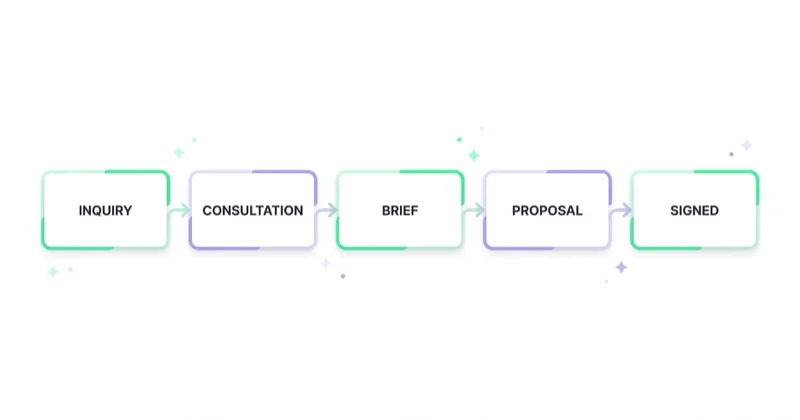
Measurement: From Lead to Signed Project
Ad dashboards rarely show the full story for design studios. The important statuses happen later.
| Stage | What to Track |
|---|---|
| Inquiry | Source, project type, location, budget range |
| Consultation booked | Fit and response time |
| Brief received | Seriousness and project clarity |
| Proposal sent | Sales-qualified opportunity |
| Proposal accepted | Signed project |
| Project value | Fee, scope and timeline |
| Lost reason | Budget, timing, style fit, location, no response |
Google Ads conversion measurement can support forms, calls and offline conversions. For a studio, the better internal KPI is not "lead." It is qualified consultation, proposal and signed contract. Once the CRM records those stages, paid channels can be evaluated by project quality instead of volume.
Remarketing should be designed around the long decision cycle. A portfolio visitor may need a case study, process page, consultation explanation or proof of a similar project rather than a hard-sell ad.
Local SEO and Google Business Profile
Local search matters even for visual services. Google Business Profile documentation says local ranking is based mainly on relevance, distance and prominence, and recommends complete information, accurate hours, reviews, replies, photos and videos. For a studio, this means:
- correct category and service description;
- high-quality project photos;
- office or consultation location where applicable;
- service area clarity;
- review requests after successful projects;
- thoughtful review responses;
- website links to portfolio and inquiry pages;
- regular photo updates.
The profile should not look like an afterthought. Prospects may use it to validate trust after seeing an Instagram ad or receiving a referral.
How Space Ads Approaches This Category
Across 25+ client accounts audited daily and roughly 14 million monthly data points analyzed through Space Ads OS, premium and visual service categories usually reward signal quality more than spend volume. The winning pattern is a strong portfolio, clear segmentation, careful qualification and measurement beyond the first lead.
For interior design, Space Ads starts with the commercial model: project types, minimum scope, capacity, target regions, portfolio strength and lead quality. Then channel structure follows: Google Search for local and service intent, Meta and Instagram for portfolio-led discovery, Pinterest where visual inspiration is strategic, and remarketing for long consideration cycles.
For an existing account, a marketing audit can show whether campaigns attract serious projects or only cheap inquiries. Ongoing execution usually connects Google Ads, Meta Ads, portfolio landing pages, CRM status and performance marketing.
30-Day Action Plan
- Days 1-3: segment the offer. Separate apartments, homes, premium, commercial, consultations and furniture-led projects.
- Days 4-7: improve portfolio structure. Turn key projects into case studies with context, process and project type.
- Days 8-12: rebuild inquiry flow. Add qualification for location, square footage, timeline, budget and scope.
- Days 13-18: launch local Search. Build keywords by project type and city. Add negative keywords before scale.
- Days 19-24: build visual campaigns. Use Meta and Instagram creatives from real projects, transformations and details.
- Days 25-30: measure quality. Compare inquiry source, consultation rate, proposal rate, signed project rate and lost reasons.
Common Mistakes
| Mistake | Better Approach |
|---|---|
| Treating the portfolio as a simple gallery | Build project case studies with process and context |
| Optimizing for cheap leads | Optimize for qualified consultations and signed projects |
| Sending all traffic to one services page | Use project-type landing pages |
| Running broad Search without negatives | Focus on local and service intent, exclude jobs, courses and DIY |
| Using generic interior inspiration | Show real projects, details and decisions |
| Mixing residential and commercial demand | Separate messaging, landing pages and qualification |
| No CRM stages | Track consultation, proposal, contract and project value |
FAQ
How do interior designers get clients online?
Interior designers get clients through portfolio visibility, local search, referrals, Instagram, Meta, Pinterest, case studies and qualified inquiry paths. The most effective system shows real projects, explains the process and filters by project type, budget, location and timeline.
Should interior designers use Google Ads or Meta Ads?
Both can work, but they do different jobs. Google Ads captures people actively searching for a designer or studio in a location. Meta and Instagram build visual discovery and retarget people who engaged with the portfolio. Pinterest can support earlier inspiration and evergreen discovery.
What should an interior design portfolio include?
It should include real projects, project type, location or region where relevant, scope, client problem, key decisions, process, final photography and enough context to help prospects understand fit. A case study is usually stronger than a simple image grid.
How should interior designers qualify leads?
Useful fields include project type, location, square footage, stage, scope, timeline, budget range, style references and preferred contact method. This protects studio time and gives the marketing system better quality signals.
Is Pinterest useful for interior designers?
Yes. Pinterest is useful for visual inspiration, evergreen portfolio discovery and style planning. It works best when pins lead to case studies, portfolio pages, guides or inquiry pages rather than isolated images.
How should interior design marketing be measured?
Measure inquiry, consultation, brief, proposal, signed project, project value and lost reason. A channel with fewer leads can be better if those leads fit budget, style and scope and become signed work.
In Short
- Interior designer and design studio marketing should sell taste, process and fit.
- Portfolio and case studies are the strongest creative assets.
- Google captures local intent; Meta and Instagram build visual discovery; Pinterest supports inspiration.
- Lead qualification by budget, scope, location and timeline is essential.
- The real KPI is signed project value, not the cheapest inquiry.
Sources
- Google Ads Help - About keywords in Search Network campaigns
- Google Business Profile Help - Improve local ranking on Google
- Google Ads Help - About conversion measurement
- Pinterest Business - Advertising on Pinterest
Continue Learning
- Meta Advantage+: what it is and how it works after the changes
- Luxury fashion marketing: build desire, not discounts
- Google Ads for local businesses, home services and contractors
- What is a landing page and how to build one
- Remarketing: how to launch retargeting ads
- Negative keywords in Google Ads: cut wasted spend
Continue reading

Language School Marketing: Two Businesses, One Building
Language schools often combine consumer enrolment and corporate training. Market them as separate buying journeys, then connect campaigns to attendance, enrolment, group contribution and continuation.

Driving School Marketing: Selling Instructor Hours, Not Courses
A practical system for growing a driving school around real instructor capacity: local demand, transparent lesson offers, compliant proof, responsive booking and completed-pupil value.

Bike Shop Marketing: The Workshop Pays the Rent
A practical marketing system for bike retailers and workshops: model capacity and contribution, capture local service demand, promote in-stock bikes, and turn first visits into lasting customer relationships.