Search Ads 360, often called SA360, is Google's enterprise platform for managing paid search campaigns across multiple engines, accounts, markets and teams. It belongs to Google Marketing Platform and is designed for advertisers that need centralised search management, cross-engine reporting, advanced bidding workflows, Floodlight measurement, governance and integration with other 360 products.
SA360 is not the same thing as Google Ads. Google Ads is the native ad platform for buying ads on Google's properties and partner inventory. Search Ads 360 is a management and optimisation layer for larger search programmes, including Google Ads, Microsoft Advertising and other supported engines. For many small and mid-sized advertisers, Google Ads is enough. SA360 becomes relevant when operational scale, reporting complexity and measurement requirements justify the extra cost and implementation effort.
TL;DR
- Search Ads 360 is an enterprise paid search management platform.
- It is part of Google Marketing Platform, alongside products such as Campaign Manager 360, Display & Video 360 and Analytics 360.
- SA360 can manage search activity across supported engines, including Google Ads and Microsoft Advertising, with engine support depending on features and availability.
- Its main value is scale, governance, reporting and bidding workflows, not automatic campaign improvement.
- Floodlight and Campaign Manager 360 integrations are a major reason enterprises use it.
- Small accounts usually do not need SA360. Google Ads, GA4, Google Tag Manager and Looker Studio are often enough.
- A weak search strategy will stay weak inside SA360. Structure, measurement, data quality and landing pages still matter.
What Search Ads 360 is
Search Ads 360 is a platform for managing search advertising at scale. It helps teams work across many campaigns, accounts, engines and markets from a more centralised environment.
Typical SA360 use cases include:
- multi-market paid search management;
- multi-engine search campaigns;
- centralised reporting;
- portfolio bid strategies;
- budget planning and pacing;
- Floodlight conversion measurement;
- integration with Campaign Manager 360;
- large account governance;
- rules, labels and naming conventions;
- bulk workflows;
- agency and enterprise team collaboration.
The important distinction is that SA360 is not a new ad inventory source by itself. It is a management, measurement and optimisation platform for search campaigns that still run through connected advertising engines.
Search Ads 360 vs Google Ads
Google Ads and Search Ads 360 solve different problems.
| Area | Google Ads | Search Ads 360 |
|---|---|---|
| Main role | Native Google advertising platform | Enterprise search management layer |
| Typical scope | One or many Google Ads accounts | Multiple accounts, engines, teams and markets |
| Engines | Google ecosystem | Supported search engines such as Google Ads and Microsoft Advertising |
| Bidding | Google Ads bid strategies | SA360 portfolio and budget bid strategies plus supported engine bidding |
| Measurement | Google Ads conversions, GA4 and integrations | Floodlight, SA360 reporting and GMP integrations |
| Reporting | Account and manager-account reporting | Cross-engine and enterprise reporting workflows |
| Complexity | Lower | Higher |
| Best fit | Most advertisers | Large advertisers, agencies and complex search programmes |
Google Ads is where many businesses should start and stay. Search Ads 360 makes sense only when the business problem is not simply "run search ads", but "manage search investment consistently across many engines, accounts, markets and stakeholders."
For account-level improvement, read What Is a Google Ads Audit and How to Do It?.
Why SA360 exists
Large paid search programmes become difficult to manage inside separate platform interfaces.
Common problems include:
- different teams using different naming conventions;
- duplicate reporting across Google Ads, Microsoft Advertising and internal BI;
- inconsistent conversion definitions;
- manual budget pacing in spreadsheets;
- fragmented optimisation across countries;
- limited visibility for senior stakeholders;
- lack of cross-engine performance comparison;
- difficult agency-to-client governance;
- slow bulk changes across many accounts.
Search Ads 360 is built to reduce that operational friction. The platform gives large teams a central search management environment with enterprise workflows. That does not remove the need for strong paid search management. It gives the team a better operating system when the programme is already too large for simpler tooling.
How Search Ads 360 fits into Google Marketing Platform
Search Ads 360 is part of Google Marketing Platform. In an enterprise stack, it often connects with:
- Campaign Manager 360 for ad serving, Floodlight activities and cross-channel measurement;
- Display & Video 360 for programmatic display, video and connected TV workflows;
- Analytics 360 for enterprise analytics;
- Tag Manager 360 for enterprise tag governance;
- Looker Studio or BI tools for reporting;
- Google Ads and Microsoft Advertising as connected search engines.
This is why SA360 is usually discussed in the context of GMP. Its value increases when paid search is part of a broader enterprise measurement and media ecosystem.
For a broader overview, read What Is Google Marketing Platform?. For programmatic media context, read Google Marketing Platform's DV360: Everything You Need to Know.
Supported engines and campaign types
Search Ads 360 can connect to supported search engines and campaign types. Google's Help documentation lists support for platforms such as Google Ads, Microsoft Advertising, Yahoo! JAPAN Ads and Baidu Search for certain campaign types, and support varies by feature.
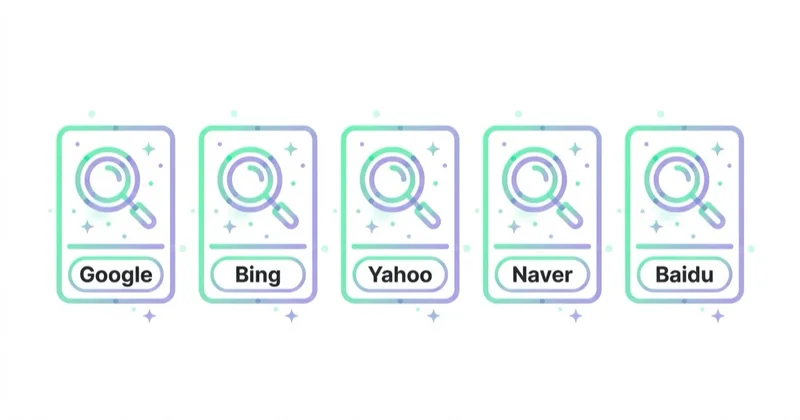
That wording matters. SA360 does not mean every feature from every engine is identical inside one interface. Some changes sync differently by engine, some features arrive first in native platforms, and some reporting or automation features are not available everywhere.
Before implementation, check:
- which engines are required;
- which campaign types are in scope;
- which features need to be managed in SA360;
- which features still need native-platform work;
- whether conversion data can be shared back to the engine;
- whether bid strategies support the needed objectives;
- whether reporting dimensions align with internal reporting.
For smaller teams, native platform management can be simpler. For enterprise teams, the trade-off can still be worth it because centralisation reduces duplicated operational work.
Bidding and Planning in SA360
Search Ads 360 includes automated bidding and planning workflows. Google's documentation describes portfolio bid strategies, budget bid strategies and bidding workflows designed to manage performance and spend in one place.
Examples of SA360 bidding concepts include:
- Target CPA strategies;
- Target ROAS strategies;
- target impression share;
- budget bid strategies for clicks, conversions or conversion value;
- campaign groups;
- pacing against planned spend;
- portfolio-level optimisation across campaigns;
- supported integration with Google Ads auction-time bidding.
This is valuable when many campaigns share a business objective. Instead of managing every keyword, ad group or campaign separately, teams can group activity into portfolios and optimise toward defined goals.
However, automated bidding is only as good as the inputs:
- conversion tracking must be reliable;
- values must reflect business value;
- lead quality should be measured beyond the form submission;
- budgets must be realistic;
- campaigns need enough data;
- exclusions and structure must make sense;
- targets must not be changed too aggressively.
SA360 can improve bidding operations. It cannot rescue poor measurement or unrealistic targets.
Floodlight and conversion measurement
Floodlight is one of the main reasons larger advertisers consider Search Ads 360. Floodlight is the conversion tracking system associated with Campaign Manager 360 and the wider Google Marketing Platform stack.
With Floodlight, teams can build a more consistent conversion measurement layer across channels and products. For search, that can support cross-channel attribution, enterprise reporting, deduplication logic and shared conversion definitions.
This is especially important when:
- paid search is only one part of the media plan;
- display, video and search need comparable reporting;
- multiple agencies manage different channels;
- offline or CRM conversion quality matters;
- conversion actions need governance;
- leadership wants one source of truth for media reporting.
Floodlight setup must be planned carefully. Tag implementation, consent, attribution settings, conversion taxonomy and reporting definitions should be agreed before migration. Otherwise the enterprise stack can reproduce the same measurement chaos in a more expensive interface.
For tracking foundations, read Enhanced Conversions in Google Ads: What They Are and How to Set Them Up and What Is Google Tag Manager and How to Use It?.
Reporting and governance
SA360 is often bought because reporting has become too fragmented.
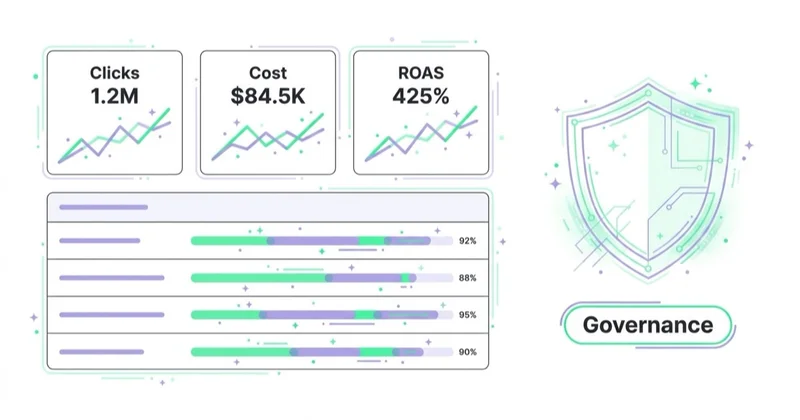
Useful reporting and governance patterns include:
- unified naming conventions;
- account and campaign labels;
- market-level dashboards;
- engine-level comparisons;
- budget pacing reports;
- conversion reporting by source and business line;
- executive dashboards;
- automated exports;
- permissions by team or agency;
- change management workflows.
The best SA360 implementations start with reporting design before migration. Define the reporting questions first:
- Which markets need separate reporting?
- Which conversions count as primary business outcomes?
- Which dimensions must exist in every campaign name or label?
- Which teams need edit access and which teams need read-only access?
- Which reports are for operators and which are for leadership?
- Which data must flow into BI or finance systems?
If naming, labels and conversion taxonomy are not agreed, the platform can become another messy reporting layer.
When Search Ads 360 makes sense
SA360 is worth considering when several of these conditions are true:
- search campaigns run across multiple engines;
- the advertiser operates in many countries or languages;
- there are many accounts or sub-brands;
- budget management is difficult in native platforms;
- reporting is slow, manual or inconsistent;
- Campaign Manager 360 and Floodlight are already used;
- paid search needs to connect with DV360 and other GMP products;
- agencies and internal teams need shared governance;
- search spend is large enough to justify platform and implementation cost;
- leadership needs consistent cross-market visibility;
- data quality is mature enough to support advanced bidding.
It is an enterprise decision, not a feature checklist decision. The business case should include saved time, better governance, better reporting, reduced operational risk and improved optimisation workflows.
When Google Ads is enough
Google Ads is enough for many advertisers.
SA360 is usually not the first priority when:
- campaigns run only in Google Ads;
- there are only a few campaigns or one market;
- reporting needs are simple;
- conversion tracking is not yet reliable;
- landing pages are weak;
- budgets are modest;
- the team is still learning search fundamentals;
- there is no Campaign Manager 360 or Floodlight use case;
- manual reporting time is not a real bottleneck;
- the expected value is "better performance automatically."
In that situation, stronger Google Ads structure, keyword strategy, landing pages, measurement, feed quality, audience strategy and creative testing will usually create more value than an enterprise platform.
For operational tools inside Google Ads, read Google Ads Editor: What It Is and How to Use It and Google Ads API: What It Is and What It Is Used For.
SA360 implementation checklist
Before implementation, prepare a proper migration and operating plan.
Key steps:
- Define why SA360 is needed.
- List all engines, accounts, campaigns and markets in scope.
- Audit current campaign structure and naming.
- Clean up conversion tracking and consent handling.
- Decide whether Floodlight will be the main conversion layer.
- Map conversion actions to business outcomes.
- Define naming conventions, labels and permissions.
- Plan account syncing and engine connections.
- Build reporting requirements before dashboard creation.
- Decide which bid strategies will be tested first.
- Train users on workflows and change control.
- Run a controlled rollout before relying on SA360 for all decisions.
The biggest implementation risk is treating SA360 as a plug-in. It is closer to an operating model. Teams need roles, conventions and decisions before the tool becomes useful.
SA360 for ecommerce
In ecommerce, Search Ads 360 can help when paid search is large, international and connected to product-level or category-level profitability.
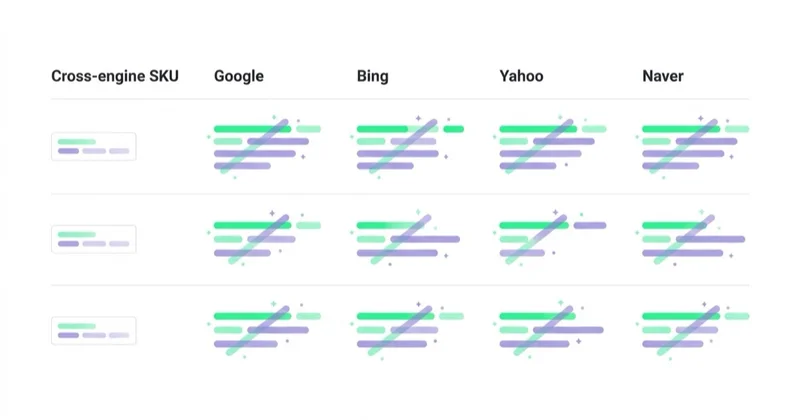
Useful ecommerce use cases:
- search and Shopping management across markets;
- category-level reporting;
- budget pacing by season;
- cross-engine comparison;
- product category labels;
- Floodlight revenue measurement;
- margin-aware reporting through external data;
- performance review across Google Ads and Microsoft Advertising;
- governance for agencies and internal teams.
For smaller stores, the foundation is usually elsewhere: Merchant Center, feed quality, Performance Max, Shopping structure, search coverage, conversion value accuracy and landing page UX.
For related Google Ads context, read Performance Max Campaigns: What to Know and How to Create Them and Google PLA / Shopping Campaigns in Google Ads: What to Know.
SA360 for B2B and lead generation
In B2B and lead generation, SA360 can be useful when campaigns span multiple regions, brands or product lines and lead quality needs stronger measurement.
Important B2B questions:
- Are offline conversions imported reliably?
- Are MQL, SQL, opportunity and revenue stages connected?
- Are lead sources deduplicated?
- Do bid strategies optimise for qualified value, not raw forms?
- Can reporting separate brand, non-brand, competitor and category intent?
- Are landing pages and sales follow-up strong enough to justify more media complexity?
Search Ads 360 can support enterprise lead generation, but it does not solve the classic B2B issue: a form submission is not always a valuable lead. Measurement must move closer to pipeline value.
Common mistakes
| Mistake | Why it hurts | Better approach |
|---|---|---|
| Buying SA360 because it is "enterprise" | Tool cost rises before the operating problem is clear | Build a business case around scale, reporting and governance |
| Migrating messy campaigns | Bad structure becomes centralised bad structure | Clean naming, labels and measurement first |
| Expecting automatic performance gains | SA360 is not a replacement for strategy | Improve data quality, structure and targets |
| Ignoring native-platform gaps | Some features still require engine-specific checks | Document what is managed where |
| Weak Floodlight planning | Reporting becomes inconsistent | Define conversion taxonomy before rollout |
| No training plan | Teams keep working around the platform | Create roles, workflows and QA rules |
| No post-launch QA | Sync, tracking or reporting issues go unnoticed | Monitor first weeks closely |
Decision framework
Use this simple decision matrix.
| Situation | Likely recommendation |
|---|---|
| One Google Ads account, one market, simple reporting | Stay in Google Ads |
| Several Google Ads accounts but no cross-engine need | Use manager accounts, Editor, scripts, API or better reporting first |
| Google Ads plus Microsoft Advertising across many markets | Consider SA360 if reporting and governance are painful |
| Existing CM360 and Floodlight stack | SA360 may fit the measurement architecture |
| Large agency managing many enterprise search accounts | SA360 can improve operations and consistency |
| Weak conversion tracking and unclear business goals | Fix measurement before SA360 |
| Leadership needs cross-engine media reporting | SA360 plus GMP reporting may be justified |
The clearest signal is not spend alone. It is operational complexity plus a real need for consistent measurement and management.
How we approach this at Space Ads
At Space Ads, we evaluate SA360 as an operating model decision before we treat it as a platform decision. We start with search programme complexity: engines, markets, accounts, naming, conversion taxonomy, reporting stakeholders, Floodlight or Campaign Manager 360 requirements and CRM or offline value data. If tracking, landing pages, query structure or lead quality are weak, we fix those foundations first, because SA360 would only centralise weak inputs. When the business case is real, we define migration scope, labels, permissions, bidding tests and QA rules so specialists know what is managed in SA360 and what still needs native-platform review. The outcome should be cleaner governance and better decisions, not just a more expensive interface.
FAQ
Is Search Ads 360 part of Google Ads?
No. Search Ads 360 is a separate Google Marketing Platform product. It can manage Google Ads accounts and other supported engine accounts, but it is not the native Google Ads interface.
Is Search Ads 360 only for Google campaigns?
No. SA360 is designed for paid search management across supported engines. Google Ads and Microsoft Advertising are common examples, and support for other engines or campaign types depends on feature availability.
Does SA360 improve performance automatically?
No. SA360 can improve workflows, bidding management, reporting and governance, but performance still depends on strategy, structure, data quality, targets, landing pages and market conditions.
Is Search Ads 360 useful for small businesses?
Usually not. Most small businesses get more value from improving Google Ads, conversion tracking, landing pages, GA4 reporting and sales follow-up before considering SA360.
What is the difference between SA360 and DV360?
Search Ads 360 is focused on paid search management. Display & Video 360 is Google's enterprise demand-side platform for programmatic display, video, audio and connected TV buying.
What is Floodlight in relation to SA360?
Floodlight is the conversion tracking and measurement system used in Campaign Manager 360 and the broader GMP ecosystem. SA360 can use Floodlight data for reporting and optimisation workflows.
Does SA360 replace Google Ads Editor?
No. Google Ads Editor is a free desktop tool for bulk work in Google Ads. SA360 is an enterprise platform for multi-engine paid search management and reporting.
Conclusion
Search Ads 360 is valuable when paid search has become too large and complex for native platforms alone. Its strongest use cases are multi-engine management, portfolio bidding, Floodlight measurement, budget planning, centralised reporting and enterprise governance.
It is not a shortcut to better results. If campaigns are poorly structured, conversion tracking is unreliable or business goals are unclear, SA360 will not fix the core problem. The platform works best after the foundations are already mature.
For many advertisers, Google Ads remains the right platform. For enterprise advertisers, agencies and multi-market teams, SA360 can become the central operating layer for search when the cost and implementation effort are justified by scale.
Sources and further reading
- Google Marketing Platform: Search Ads 360
- Google Blog: Introducing the new Search Ads 360
- Search Ads 360 Help: About automated bidding in Search Ads 360
- Search Ads 360 Help: About Bidding and Planning
- Search Ads 360 Help: Run your first sync
- Search Ads 360 Help: Share conversion data with Microsoft Advertising
- Google Marketing Platform Help: About Google Marketing Platform
Continue learning
- What Is Google Marketing Platform?
- Google Marketing Platform's DV360: Everything You Need to Know
- What Is a Google Ads Audit and How to Do It?
- Google Ads Editor: What It Is and How to Use It
- Google Ads API: What It Is and What It Is Used For
- Performance Max Campaigns: What to Know and How to Create Them
- Enhanced Conversions in Google Ads: What They Are and How to Set Them Up
Continue reading
What Is Google Marketing Platform?
Google Marketing Platform is Google’s enterprise advertising and analytics suite. Learn what GMP includes, how it differs from Google Ads and when it is worth using.

Margin-Based Conversion Value in Google Ads: When Ecommerce Should Use It
If Google Ads receives gross revenue as conversion value, value-based bidding optimises toward gross revenue. For ecommerce stores with different product margins, a value closer to gross margin or contribution margin can give Shopping and Performance Max a better signal.

Returns and Conversion Adjustments in Google Ads for Ecommerce
Returns, cancellations and partial refunds change the real value of ecommerce orders after the purchase. If Google Ads only sees gross revenue from the conversion day, campaigns can optimise toward products that look efficient before returns but weak after them.