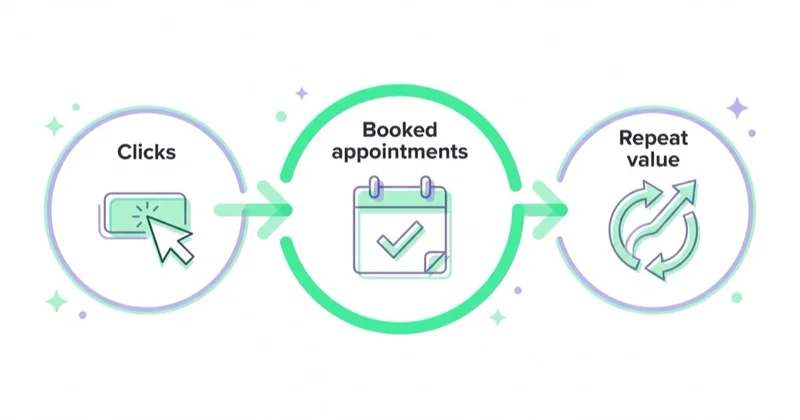
Med spa marketing should be measured by booked appointments and treatment quality, not by cheap forms. A medical spa usually sells elective services with local trust, visual proof, repeat care and provider credibility. The first enquiry matters only if it becomes a booked appointment, a shown visit, a treatment start and, ideally, a repeat client.
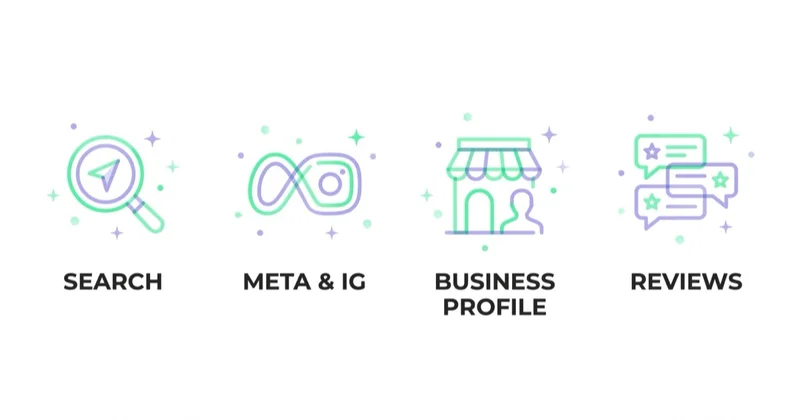
That makes med spa growth part local acquisition, part booking operations and part retention. Google Search captures people already looking for treatments. Google Business Profile and reviews validate the clinic. Meta and Instagram create demand and re-engage warm audiences. The booking flow turns intent into attendance.
Key Takeaways
- Booked appointments are the first serious metric. Track booked appointment cost, show rate, treatment start rate and repeat value.
- Google Search captures active treatment intent. Queries around service, location, price and provider are usually closest to booking.
- Reviews and Google Business Profile affect paid performance. Local trust is part of the conversion path after the click.
- Meta and Instagram are demand creation channels. They work best with education, provider credibility, experience-led creative and careful language.
- Policy-safe creative is required. Cosmetic procedure ads should avoid negative self-perception tactics and should respect adult targeting requirements.
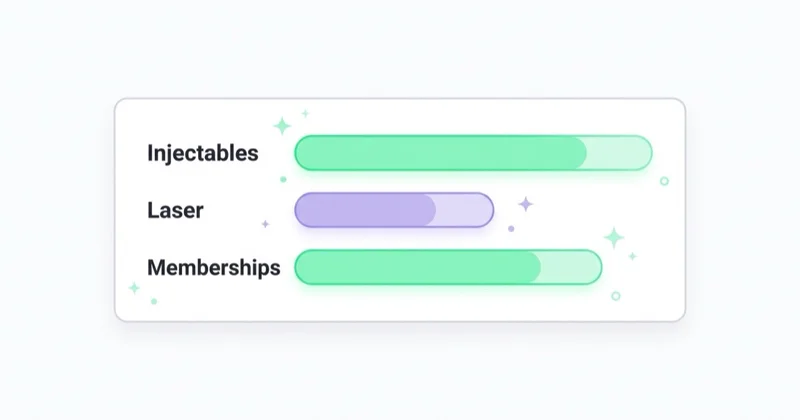
- Repeat value changes allowable acquisition cost. Injectables, laser packages, skincare, memberships and maintenance plans can make the first appointment only part of the value.
What makes med spa marketing different
Med spas sit between beauty, wellness and medical decision-making. The buyer often wants a visible result, but they also want provider trust and a clear process. A campaign that feels too aggressive can produce attention while weakening credibility.
The commercial path is usually:
- Treatment interest.
- Local comparison.
- Review check.
- Provider or clinic validation.
- Appointment or consultation booking.
- Show.
- Treatment start.
- Repeat treatment, membership or complementary service.
That path should guide reporting. A form submission is not enough. The account needs to know which enquiries booked, which showed and which produced treatment revenue.
Channel roles for a med spa
| Channel | Primary role | What to measure |
|---|---|---|
| Google Search | capture active treatment and local provider intent | cost per booked appointment, treatment start rate |
| Google Business Profile | convert comparison traffic | calls, bookings, reviews, profile interactions |
| Meta and Instagram | create demand and re-engage | qualified enquiries, booked appointments, assisted demand |
| Performance Max | extend reach after signal quality is clear | booked appointments and treatment quality |
| Email and SMS | increase show rate and repeat care | attendance, rebooking, package or membership uptake |
For most med spas, Search and Business Profile are the cleanest starting point. Meta becomes stronger when the clinic has compliant creative, clear treatment pages and a booking flow that can convert interest.
Google Search: high-intent treatment demand
Search campaigns should separate treatment categories because each has different intent, value and policy sensitivity.
Common groups:
- injectables and consultation terms;
- laser hair removal;
- skin rejuvenation and resurfacing;
- body contouring;
- acne, pigmentation or texture-related treatments where appropriate;
- brand and provider terms;
- price and consultation terms.
Search negatives should remove training, jobs, wholesale products, at-home devices, unrelated medical conditions, DIY terms and research patterns that do not fit the business.
Ad copy should be clear and calm: treatment category, location, consultation, provider credibility, booking path. Avoid retail-style claims for prescription products or exaggerated result promises. In many cases, promoting the consultation is safer and more useful than promoting a product name.
Google Business Profile and reviews
Google says local ranking is based mainly on relevance, distance and prominence, and that more reviews plus positive ratings can help local ranking. For med spas, reviews also affect conversion after someone clicks an ad. People use them to validate trust, safety and service quality.
The profile should include:
- accurate category and services;
- current hours and booking link;
- real photos of the clinic and team;
- consistent review requests after visits;
- professional responses to reviews;
- service pages that support the listed treatments;
- location details that reduce friction for new clients.
Paid media cannot fully compensate for a weak local profile. If search ads create interest and the Business Profile creates doubt, conversion cost rises.
Meta and Instagram: education first
Meta and Instagram are valuable for med spas because the category is visual and repeat-driven. The mistake is using insecurity-led creative that implies the viewer has a problem with their appearance.
Better angles:
- provider-led education;
- what to expect at an appointment;
- treatment planning and maintenance;
- clinic environment and staff;
- myths, aftercare and downtime;
- seasonal planning without pressure;
- client experience without exploiting insecurity.
Meta's health and wellness policy requires cosmetic procedure ads to target adults and prohibits negative self-perception tactics. For wrinkle treatments such as Botox, dermal fillers and other anti-aging treatments, side-by-side comparisons after the use of a product or transformation are not allowed. A conservative creative approach usually protects both policy review and brand trust.
Booking flow and show rate
The booking flow is not admin. It is part of performance.
High-performing flows usually include:
- one primary action: book or request an appointment;
- mobile-first appointment path;
- clear treatment category selection;
- provider or clinic credibility near the call to action;
- simple confirmation;
- reminder workflow;
- fast follow-up for enquiries that do not self-schedule.
Show rate should be reviewed by channel and treatment category. If Meta produces many enquiries but low attendance, the issue may be creative promise, audience quality, booking friction or follow-up. If Search produces fewer enquiries but higher treatment starts, budget should reflect that quality.
Treatment economics
Med spa budget should be based on economics, not a generic cost-per-lead target.
Calculate:
allowable appointment cost =
(show rate x treatment start rate x gross profit per first treatment)
+ expected repeat gross profit
- required margin
Average public fee data can provide context, but each med spa needs its own model. ASPS lists average fees for botulinum toxin injections and dermal fillers, but the real business model depends on local pricing, provider cost, product cost, package mix, memberships, repeat rate and retention.
This is why a higher appointment cost can be acceptable if the channel produces clients who show, start treatment and return. A low-cost enquiry can be expensive if it never becomes care.
Privacy-aware measurement
Med spas need careful tracking. Depending on the services, ownership and data flows, healthcare privacy obligations may apply. This article is marketing guidance, not legal advice.
The safer operating pattern:
- avoid sending treatment names, conditions or appointment reasons to ad platforms;
- use generic events such as
appointment_requested; - strip unnecessary parameters in server-side tracking;
- do not pass names, emails or phone numbers without a permitted basis and review;
- involve counsel where HIPAA, state privacy laws or healthcare rules may apply;
- document vendors, consent and data flows.
No pixel setup should be described as automatically compliant without review.
How Space Ads approaches med spa marketing
At Space Ads, med spa marketing starts with the full appointment path. We check whether the account can distinguish raw enquiries from booked appointments, shown appointments and treatment starts. Then we review Search structure, Google Business Profile, Meta creative, booking flow and privacy-aware measurement.
The aim is a system that can scale responsibly: high-intent Search, strong local trust, policy-safe social creative and reporting that shows appointment quality. That is the starting point for Google Ads management, Meta Ads management and a structured marketing audit.
Practical setup order
- Define booked appointment, show and treatment start events.
- Audit tracking and remove sensitive parameters from ad-platform payloads.
- Improve Google Business Profile, photos, services and review process.
- Build treatment pages around clarity, expectations and booking.
- Launch Search by treatment category and local intent.
- Add Meta education and re-engagement with policy-safe creative.
- Review appointment quality, repeat value and budget tolerance monthly.
FAQ
What is the most important med spa marketing metric?
Cost per booked appointment is usually the first useful metric. It should be reviewed with show rate, treatment start rate, first-treatment value and repeat value.
Should a med spa start with Google or Meta?
If local search demand exists, Google Search and Google Business Profile are usually the cleanest starting point. Meta and Instagram become stronger once the clinic has clear treatment pages, compliant creative and a working booking flow.
Can med spas advertise injectables?
It depends on location, product terms, landing pages, certification requirements and platform policy. A safer approach is often to advertise the consultation or treatment category rather than presenting prescription products like retail items.
Do reviews affect med spa advertising?
Yes. Reviews influence local visibility and conversion after the click. Prospects use reviews to validate trust, safety and provider quality before booking.
How should med spas handle privacy in ad tracking?
Use generic conversion events, avoid sending treatment or health-related details to ad platforms, strip unnecessary parameters and involve privacy counsel when healthcare privacy obligations may apply.
In Short
Med spa marketing works when local trust, appointment booking, policy-safe creative and repeat value are connected. Search captures active demand, Meta builds consideration, reviews validate the clinic and measurement should follow booked appointments through treatment starts and retention.
Sources
- Google Ads Help - Healthcare and medicines policy
- Google Ads Help - Restricted targeting in personalized advertising
- Meta Transparency Center - Health and Wellness ad standards
- HHS - Use of Online Tracking Technologies by HIPAA Covered Entities and Business Associates
- Google Business Profile Help - Tips to improve your local ranking on Google
- American Society of Plastic Surgeons - Botulinum toxin cost
- American Society of Plastic Surgeons - Dermal fillers cost
Continue Learning
Continue reading
Weight Loss Clinic Marketing: GLP-1 Demand Without Risky Claims
Weight loss clinic marketing in the GLP-1 era has to generate qualified consultations without risky body claims, prescription-drug shortcuts or privacy leakage. This guide covers Meta, Google Search, telehealth funnels, HIPAA-conscious tracking and program LTV.
Wedding Venue Marketing: Tours, Dates and Signed Bookings
Wedding venue marketing should fill the calendar with qualified tours and signed bookings, not just raw inquiries. This guide covers Google Search, Google Business Profile, wedding marketplaces, Instagram, Pinterest, galleries, off-peak dates, CRM follow-up and measuring tour-to-booking value.

Catering Marketing: Google Ads, Meta and Booked Events
Catering marketing works when event catering, corporate accounts and drop-off orders are measured separately. This guide covers Google Search, Meta, marketplaces, food trust, seasonality, quote quality and booked-event value.