Auto Parts Ecommerce: Marketing Around the Fitment Problem
Auto parts marketing starts with fitment data. Learn how to connect the catalogue, vehicle selector, product feed, SEO and returns data so customers find parts that genuinely fit.
The technology decisions behind an online store that can actually be scaled: choosing between a hosted platform and a custom build, what ownership of the code and database really means, integrating order management and ERP, migrating without losing search visibility, and preparing product data for AI shopping surfaces.

Auto parts marketing starts with fitment data. Learn how to connect the catalogue, vehicle selector, product feed, SEO and returns data so customers find parts that genuinely fit.

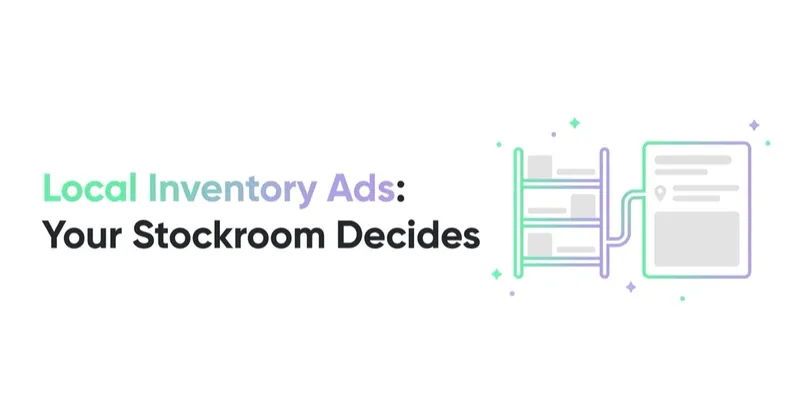
Local inventory ads connect nearby demand with products available in physical stores. Learn how to prepare store data, pickup options, landing pages and offline measurement without promising stock the customer cannot buy.

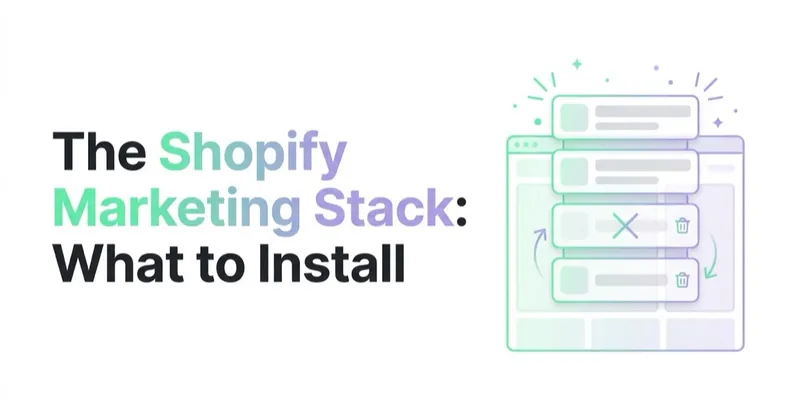
A Shopify marketing stack should connect customer data, storefront experience, merchandising, lifecycle and acquisition without duplicating events or adding unmanaged risk. Use this framework to choose, govern and remove apps safely.

Market an unknown private label by turning a real product advantage into verifiable proof, making the first purchase feel safe and building acquisition around contribution, repeat demand and compliant reviews.

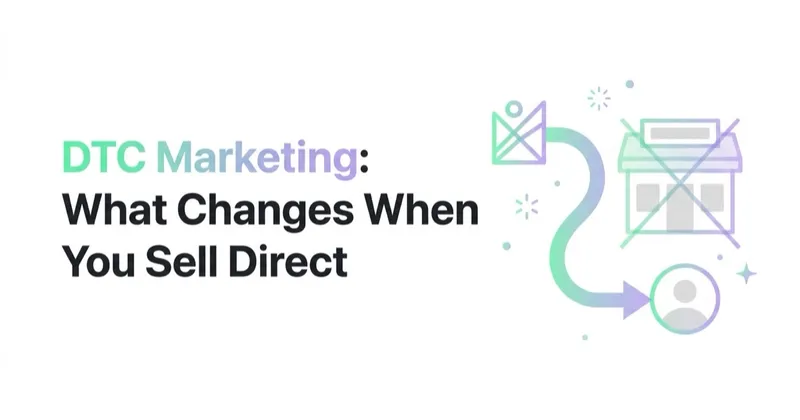
Selling direct gives a brand more control over price, experience and customer insight — along with acquisition, fulfilment, returns and support costs. Build the model from contribution and cohorts, not headline ROAS.

Recurring revenue is valuable only when each cohort produces enough contribution to repay acquisition and service costs. Learn how to model churn, retention, payback, failed payments and scale without mistaking revenue for profit.

A private-label brand is more than a supplier product with a new logo. Learn how to validate demand, define the product, protect the brand, manage compliance and prove unit economics before committing to inventory.

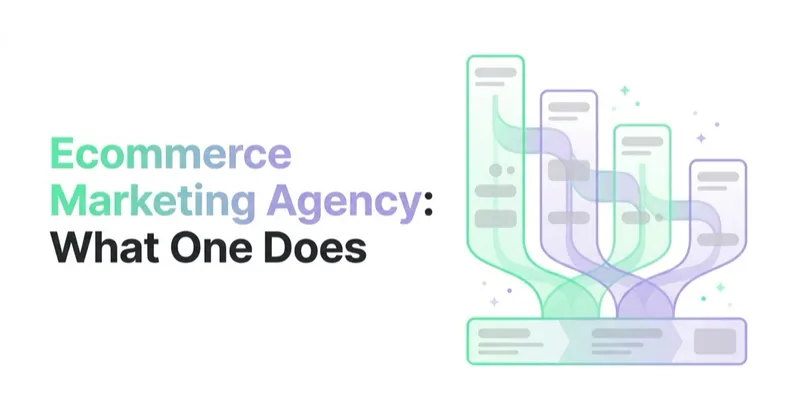
An ecommerce agency should connect acquisition, conversion, retention, merchandising and measurement to commercial outcomes. Here is how to define the right scope, team and accountability.

A migration is not a data transfer with a launch date attached. It is a project with its own workstreams — URL mapping, integration parity, cutover sequence and post-launch verification — and the visibility you lose is lost in those workstreams, not in the platform choice.

Agentic commerce moves parts of the buying journey from a store interface to an AI assistant. Learn how assisted and native checkout differ, what ACP, UCP and AP2 do, and how to prepare product data, integrations, operations and measurement.

Vendor lock-in is not one clause in a contract — it is a set of dependencies across seven layers of your e-commerce tech stack. Here is the ownership audit you can run on your own store this afternoon.