Veterinary clinic marketing is local healthcare-style lead generation with a relationship model. A clinic is not trying to sell one appointment in isolation. The better goal is to attract the right local clients, book the right first visit, retain the household over time and keep capacity aligned with the clinic's team, services and appointment calendar.
That changes the media plan. Emergency care, routine wellness, vaccinations, dental care, surgery, exotic pets, senior care, puppy and kitten visits, and specialty referrals all behave differently. Search intent can be urgent. Meta demand is usually softer and more visual. Google Business Profile and reviews can decide trust before a call. Phone booking and front-desk handling can make or break paid performance.
Strong veterinary clinic marketing connects these pieces: local search demand, credible profiles, service-specific landing pages, ethical claims, appointment tracking, call quality and client value. Clicks and raw calls are only useful if they lead to booked, attended and retained clients.
TL;DR
- Veterinary clinic marketing should be segmented by care type. Emergency, wellness, dental, surgery, specialty, exotic and new-pet care need different keywords, pages and value assumptions.
- Google Search captures urgent and local intent. Queries such as emergency vet, vet near me and pet dental care require tight location targeting, call paths and service-specific landing pages.
- Meta supports demand creation and retention. Pet-owner education, new-client offers, wellness plans, reminders, community content and remarketing fit Meta better than urgent care capture.
- Google Business Profile is a conversion asset. Hours, reviews, photos, services, phone number and location details matter because owners compare trust quickly.
- Measurement must go beyond calls. Track qualified calls, booked appointments, attended appointments, new clients, service type, wellness plan adoption and repeat value.
- Claims need clinical discipline. Avoid outcome promises, pressure tactics, unverified treatment claims or unreviewed prescription-drug promotion.
Why Veterinary Clinic Marketing Is Different
A veterinary clinic combines local services, medical trust, appointment operations, customer support and retention. That makes it different from an ordinary lead form campaign.
| Factor | Marketing implication |
|---|---|
| Urgent need | Emergency and same-day searches need phone-first paths and accurate hours |
| Routine recurrence | Vaccinations, checkups, parasite prevention and wellness plans support retention |
| Service value differences | Dental, surgery, diagnostics and specialty visits can be more valuable than simple appointments |
| Trust sensitivity | Reviews, veterinary credentials, care philosophy and staff communication influence conversion |
| Capacity limits | Paid demand can hurt service quality if the calendar, phones or triage process cannot support it |
| Policy sensitivity | Medical, prescription and treatment claims require review |
The account should therefore avoid one blended "vet marketing" campaign. It should separate the clinic's real services, capacity and client value.
Google Search vs Meta
Google and Meta do different jobs for veterinary clinics.
| Channel | Best role | Measurement |
|---|---|---|
| Google Search | Active demand: emergency vet, vet near me, pet dental, vaccinations, clinic name | Qualified calls, bookings, new clients |
| Google Business Profile | Local discovery and trust | Calls, direction requests, website clicks, booking clicks, review growth |
| Local SEO | Ongoing demand capture for service and location pages | Organic bookings, service-page leads, branded search lift |
| Meta | Education, reminders, community, new-pet-owner awareness, wellness plans, remarketing | Landing page visits, bookings, lead quality, repeat engagement |
| Email / SMS | Retention and reactivation | Appointments, plan renewals, repeat visits |
Search should usually lead for urgent and local intent. Meta should usually support the base: new pet education, dental month, senior pet care, wellness plans, clinic culture, seasonal reminders and lapsed-client reactivation. Treating Meta like emergency search usually creates weak results because the user is not actively searching for a vet in that moment.
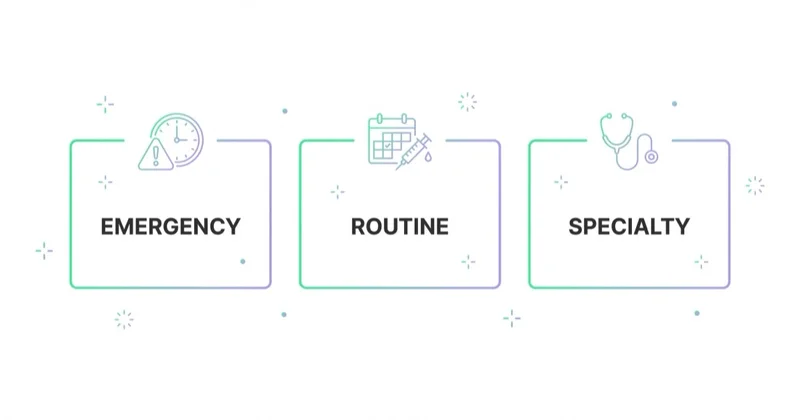
Segment Emergency, Routine and Specialty Care
The most important campaign split is care type.
| Care type | Search behavior | Campaign implication |
|---|---|---|
| Emergency / urgent care | Immediate, location-heavy, phone-heavy | Accurate hours, call assets, fast page, triage language |
| Routine wellness | Planned, recurring, price- and trust-aware | Wellness pages, reminders, reviews, booking path |
| Vaccinations | New pet and annual-care intent | Puppy/kitten pages, clear appointment next step |
| Dental care | Educational and value-sensitive | Explain symptoms, process, exams, estimates and follow-up |
| Surgery | Trust-heavy and consultative | Credentials, process, pre-op/post-op explanation, no outcome guarantees |
| Exotic pets | Niche local demand | Specific page, species handled, appointment qualification |
| Senior care | Relationship and education | Content, reminders, longer decision path |
The bidding and reporting should reflect this split. A dental consultation, surgery consult and new puppy plan do not have the same value as a low-margin one-off service. If all conversions are weighted equally, automated bidding can chase easy appointments instead of valuable client relationships. The Smart Bidding guide explains why conversion value quality matters.
Google Business Profile and Reviews
Google Business Profile is central for veterinary clinics. Google says local results are based mainly on relevance, distance and prominence, and recommends complete information, verified profiles, accurate hours, review responses, photos and videos.
For a clinic, the profile should be treated like a high-intent landing page:
- accurate regular and emergency hours;
- holiday and special hours;
- phone number;
- appointment or booking link;
- service categories;
- photos of exterior, reception, exam rooms and team;
- accessible parking and entrance information where relevant;
- review response workflow;
- clear distinction between general practice, emergency, specialty or referral services;
- UTM-tagged website link where measurement governance allows it.
Reviews matter because the decision is emotional and trust-heavy. The clinic should not use review-gating or incentives that violate platform rules. The better system is operational: ask at the right moment, make the link easy to find, reply professionally and use feedback to fix service issues.

Landing Pages and Booking Paths
The homepage rarely answers every veterinary search well. Service-specific pages improve relevance and conversion.
A strong veterinary landing page should include:
- service type and location;
- who the service is for;
- when to call urgently;
- what the visit process looks like;
- veterinarian or team credibility;
- appointment options;
- phone number and booking link;
- pricing or estimate process where appropriate;
- review proof;
- expectations and limitations;
- privacy and call-recording notices where relevant.
Avoid copy that creates false certainty. Veterinary ads and pages should not promise outcomes, shame owners, use pressure tactics, exaggerate treatment results or imply that medication can bypass proper veterinary process. If the website includes prescription refills, online pharmacy links, compounded medication or telemedicine services, review Google healthcare and medicines policy before paid traffic is sent there.
For general page structure, see What Is a Landing Page and How to Build One?.
Measurement: From Calls to New Clients
Many veterinary conversions happen by phone. Google call reporting can track calls from ads and count calls of a chosen duration as conversions. That is useful, but duration alone is not enough.
A better measurement ladder:
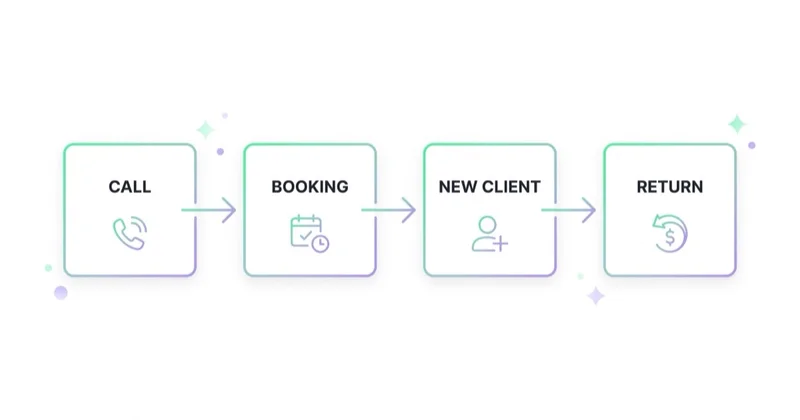
| Stage | Example | Use in optimization |
|---|---|---|
| Click | Ad click or profile click | Diagnostic only |
| Call click | Tap on phone number | Micro-conversion |
| Qualified call | Relevant call above duration threshold or reviewed as valid | Useful lead signal |
| Appointment booked | Booking system or front desk confirms visit | Strong signal |
| Appointment attended | Client arrives | Stronger signal |
| New client | Household or patient new to clinic | Better acquisition metric |
| Service type | Emergency, wellness, dental, surgery, exotic, senior care | Allows value weighting |
| Repeat visit / plan | Wellness plan, follow-up, refill, annual care | Lifetime value signal |
For serious optimization, connect the ad source to the practice management system or CRM where possible. If direct integration is not practical, a structured export or manual value upload can still improve decision quality. The same logic is covered in call tracking for PPC and lead generation.
Negative Keywords for Veterinary Campaigns
Veterinary search has many false positives. A tight negative keyword system protects budget.
Common exclusions:
| Waste pattern | Examples |
|---|---|
| Careers | veterinary jobs, vet tech salary, internship, assistant jobs |
| Education | veterinary school, vet tech program, degree |
| DIY care | home remedy, treat at home, dosage without veterinarian |
| Adoption only | free kittens, dog adoption, rescue near me if the clinic does not offer adoption |
| Supplies | pet food, toys, cages, grooming tools if not sold by the clinic |
| Wrong species | large animal, equine, exotic, reptile if outside scope |
| Free services | free vet, free shots, low-cost clinic if not relevant |
The list should be adapted to actual services. A clinic that handles exotics should not block exotic terms. A clinic with a shelter partnership may want adoption-related traffic on a separate page. Negative keywords should follow business strategy, not a generic template.
Meta for Veterinary Clinics
Meta is usually better for demand creation, education and retention than for urgent appointment capture. Good use cases:
- puppy and kitten first-year care education;
- dental health awareness;
- senior pet care reminders;
- wellness plans;
- clinic culture and team introductions;
- seasonal reminders;
- community events;
- lapsed-client reactivation;
- remarketing to service-page visitors where consent and platform rules allow.
Creative should be calm, factual and useful. Avoid distressing images, guilt-based copy or claims that imply a pet has a condition. A better message is educational: signs that a checkup may be needed, what a dental exam includes, how wellness plans work, or how the clinic handles new clients.
Lead forms can work for non-urgent services, but they should not replace proper booking for urgent care. If the clinic cannot respond quickly, send paid traffic to phone or appointment scheduling instead of collecting forms that sit in a queue.
How we approach this at Space Ads
Across the 25+ accounts we audit daily, with analysis on the order of 14M monthly data points through Space Ads OS, appointment-led local accounts usually break at the same points: shallow call tracking, weak landing pages, poor CRM feedback, mixed-value conversions, broad search terms and unclear capacity rules.
For veterinary clinic marketing, the audit starts with the clinic model:
- emergency or general practice;
- single location or multi-location;
- routine care, dental, surgery, exotic, senior or specialty focus;
- booking system and call handling;
- new-client capacity;
- profile and review strength;
- prescription, pharmacy or telemedicine content on the site;
- conversion tracking and offline value feedback.
Then campaign structure follows the business. Search captures urgent and local demand. Meta supports education, community and retention. Google Business Profile supports trust. The website converts visitors into calls and bookings. Reporting should show booked and attended new clients by service type, not only clicks. A marketing audit can show whether the account is buying useful clients or only traffic. Ongoing execution fits under performance marketing.
A practical way to market a veterinary clinic
- Map service value and capacity. Separate emergency, wellness, dental, surgery, specialty, exotic and new-pet demand.
- Clean Google Business Profile. Verify hours, categories, photos, booking links, reviews and service details.
- Build service-specific pages. Match emergency, dental, wellness and specialty searches to pages that answer the real question.
- Launch Search around intent. Use tight location targeting, call assets, service campaigns and negative keywords.
- Use Meta for education and retention. Promote wellness, dental awareness, new-pet care, team trust and remarketing.
- Track calls and bookings. Move reporting from clicks to qualified calls, booked appointments, attended visits and new clients.
- Weight value by service type. Emergency, dental, surgery and wellness-plan clients should not be treated equally by default.
- Review claims and policy. Check prescription, pharmacy, telemedicine and treatment-result language before paid scaling.
Stop doing / do instead
| Stop doing | Do instead |
|---|---|
| Treating every appointment as equal | Segment by service type and client value |
| Optimizing for cheap calls | Optimize for qualified calls, bookings and attended new clients |
| Sending every click to the homepage | Use service-specific pages |
| Ignoring Google Business Profile | Treat the profile as a high-intent conversion page |
| Using fear-based pet health copy | Use factual, calm and clinically reviewed messaging |
| Counting phone taps only | Track qualified calls and appointment outcomes |
| Running broad keywords without exclusions | Exclude careers, education, DIY, adoption-only and wrong-species queries |
| Scaling when phones are overloaded | Align budget with front-desk and appointment capacity |
FAQ
How much should a veterinary clinic spend on ads?
There is no universal budget. Spend should depend on location, competition, service mix, new-client capacity, appointment value and tracking quality. A small general practice may test a focused local Search budget first. A multi-location or specialty clinic may justify more spend if booked and attended client value is measured.
Do Google Ads work for veterinarians?
Yes, Google Ads can work well when campaigns target high-intent local searches, the clinic answers calls quickly, the landing page matches the service and conversion tracking reaches booked appointments. Results are weaker when all services share one campaign and the account optimizes for clicks or raw calls.
What are the best keywords for a vet clinic?
The strongest keywords are local and service-specific: emergency vet, vet near me, veterinarian city, puppy vaccinations, cat vet, pet dental, exotic vet, senior pet care and service-specific phrases that match the clinic's real offer. Careers, education, DIY, adoption-only and wrong-species queries usually need exclusions.
How should veterinary marketing results be measured?
Measure qualified calls, booked appointments, attended appointments, new clients, service type, repeat visits, wellness plan adoption and value where reliable. Clicks and form fills are useful diagnostics, but they should not be the final success metric.
Should veterinary clinics use Meta Ads?
Meta can support education, community, new-client awareness, wellness plans, dental reminders, seasonal care and remarketing. It is usually weaker for urgent emergency capture than Google Search. Creative should be calm, factual and clinically reviewed.
What should veterinary ad copy avoid?
Avoid outcome promises, pressure tactics, exaggerated treatment claims, disturbing creative and prescription-drug language that has not been reviewed against platform policy and local rules. The safest copy explains the service, location, appointment path and care process clearly.
In short
- Veterinary clinic marketing should separate emergency, routine, dental, surgery, specialty and retention goals.
- Google Search captures active local demand; Meta supports education, awareness and retention.
- Google Business Profile and reviews are conversion assets, not side tasks.
- Measurement should move from clicks to qualified calls, booked visits, attended new clients and service value.
- Claims, prescription language and treatment promises need review before scaling.
Sources
- Google Business Profile Help - Local ranking documentation
- Google Ads Help - Call reporting documentation
- Google Ads Help - Conversion measurement documentation
- Google Ads Policy Help - Healthcare and medicines policy
- Meta Transparency Center - Advertising Standards
Continue learning
Continue reading

Language School Marketing: Two Businesses, One Building
Language schools often combine consumer enrolment and corporate training. Market them as separate buying journeys, then connect campaigns to attendance, enrolment, group contribution and continuation.

Driving School Marketing: Selling Instructor Hours, Not Courses
A practical system for growing a driving school around real instructor capacity: local demand, transparent lesson offers, compliant proof, responsive booking and completed-pupil value.
Bike Shop Marketing: The Workshop Pays the Rent
A practical marketing system for bike retailers and workshops: model capacity and contribution, capture local service demand, promote in-stock bikes, and turn first visits into lasting customer relationships.