Dental practice marketing is high-intent local healthcare acquisition. The practice needs to be visible when patients search for a dentist nearby, credible when they compare reviews and careful when it tracks appointments, treatment interest and patient data. A cheap click is not the goal. A booked, appropriate patient with known case value is the goal.
The channel mix is usually straightforward: Google captures active local intent, Local Services Ads can add pay-per-lead visibility where eligible, Google Business Profile validates trust, Meta supports awareness and education, and the website converts interest into calls or bookings. The difficult part is measurement. A hygiene appointment, emergency visit, implant consultation and orthodontic enquiry do not have the same value, risk or decision path.
This guide explains how to build dental practice marketing around patient quality, not vanity lead volume.
TL;DR
- Dental practice marketing should be measured by booked patients. Clicks, forms and calls are only useful if they lead to appointments, show-ups, treatment starts and patient value.
- Google Search captures active intent. Local, emergency, service and brand searches are usually the strongest paid starting point.
- Local Services Ads can matter where available. Google lists dentist as an eligible health service for Local Services Ads, and LSAs charge for leads rather than clicks.
- Case value must shape budgets. Emergency dentistry, general hygiene, implants, cosmetic procedures and orthodontics should not share one blended CPA target.
- Google Business Profile and reviews affect conversion. Patients often validate the practice through Maps, reviews, photos, hours and profile completeness before calling.
- Meta is a support channel. It can educate, retarget and build local awareness, but it should avoid personal-attribute language and health-sensitive targeting.
- Privacy-safe measurement is non-negotiable. Do not pass treatment names, symptoms, appointment reasons or patient identifiers into ad platforms without proper legal and platform review.
- The practice operations matter. Speed to answer, appointment availability, reminders and front-desk follow-up can decide whether paid demand becomes revenue.
Why dental marketing is different
Dental is not a standard local-service category. It has local urgency, health trust, high lifetime value and wide case-value spread.
Four differences matter.
First, intent varies sharply. "Emergency dentist near me" is very different from "teeth whitening cost", "Invisalign dentist", "dental implants [city]" or "family dentist accepting new patients".
Second, patient value varies sharply. A routine check-up, same-day emergency appointment, implant case, cosmetic plan and orthodontic case can justify different media costs and follow-up effort.
Third, privacy affects tracking. Dental practices may handle protected health information and patient data. Tracking setup cannot be copied from ecommerce.
Fourth, trust is visible before the click converts. Reviews, profile quality, provider bios, photos, phone handling and payment clarity are part of performance marketing, not separate branding work.
Channel roles for a dental practice
| Channel | Best role | What to measure |
|---|---|---|
| Google Search | capture active local and treatment intent | booked patients, service mix, call quality |
| Local Services Ads | pay-per-lead local visibility where eligible | lead validity, booked appointment, case type |
| Google Business Profile | trust and local comparison | calls, bookings, direction requests, reviews |
| Meta and Instagram | awareness, education, retargeting | qualified enquiries, booked appointments, assisted demand |
| SEO and AEO | answer patient questions and build authority | organic calls, service-page traffic, featured answers |
| Email/SMS | recalls, reminders and reactivation where consent allows | attendance, rebooking, hygiene recall, treatment follow-up |
The mix depends on location, capacity, service mix and eligibility. A new practice with few reviews needs to strengthen local trust before scaling aggressively. A mature practice with strong reviews and high-value treatment capacity can segment budgets more precisely.
Google Search for dentists
Search campaigns should be structured around patient intent and case economics.
Useful campaign groups:
- general dentistry: "dentist near me", "family dentist [city]", "new patient dentist";
- emergency dentistry: "emergency dentist", "same day dentist", "tooth pain dentist" where urgent appointments are genuinely available;
- implants: "dental implants [city]", "implant dentist", "all on 4 dentist" where the practice offers the service and claims are compliant;
- cosmetic dentistry: veneers, whitening, smile makeover and related consultation terms;
- orthodontics: braces, clear aligners, Invisalign-related terms where allowed and relevant;
- brand: practice name, dentist names, location and review searches.
Negative keywords are essential because dental searches attract non-patient traffic: school, jobs, salary, assistant training, hygienist career, DIY treatment, free templates, wholesale products and research queries that do not lead to appointments. The process is the same discipline described in negative keywords in Google Ads.
Search copy should be factual: location, appointment availability, service category, credentials, financing or insurance where accurate, and booking path. Avoid guaranteed outcomes, fear pressure or copy that overstates treatment results.
Local Services Ads for dentists
Where available and eligible, Local Services Ads can be important for dental practices because they appear in local search contexts and use a pay-per-lead model rather than standard CPC. Google's Local Services Ads page lists dentist among eligible health services and describes LSAs as helping local businesses get discovered, build confidence with the Google Verified badge and pay when potential customers get in touch.
That does not mean LSAs should be accepted blindly. The lead still has to be valid, answered, booked and tied to service type. The practice should monitor:
- lead type and treatment category;
- duplicate or low-fit leads;
- missed calls;
- booked appointment rate;
- lead dispute process where applicable;
- cost per attended patient;
- comparison with Search and organic calls.
LSAs are a channel, not a measurement shortcut. A lead paid for by LSA still needs intake discipline and CRM feedback.
Segment by case value
The biggest dental budgeting mistake is treating every conversion as the same.
| Service type | Typical decision path | Marketing implication |
|---|---|---|
| Hygiene and general dentistry | local, trust-led, repeat value | reviews, convenience and recall value matter |
| Emergency dentistry | urgent, phone-led, availability-sensitive | call tracking and hours must match reality |
| Implants | high-value, researched, consultation-led | dedicated pages, proof, financing and longer nurture |
| Cosmetic dentistry | visual, considered, confidence-led | policy-safe creative, galleries and consultation clarity |
| Orthodontics | family or adult comparison journey | education, reviews, financing and remarketing |
| Pediatric dentistry | parent decision and local trust | safety, staff, environment and review signals |
Budgets, bids and reporting should reflect this spread. If all services share one target CPA, the account may overvalue low-margin or low-fit enquiries and undervalue treatment categories that have a longer path but stronger revenue.
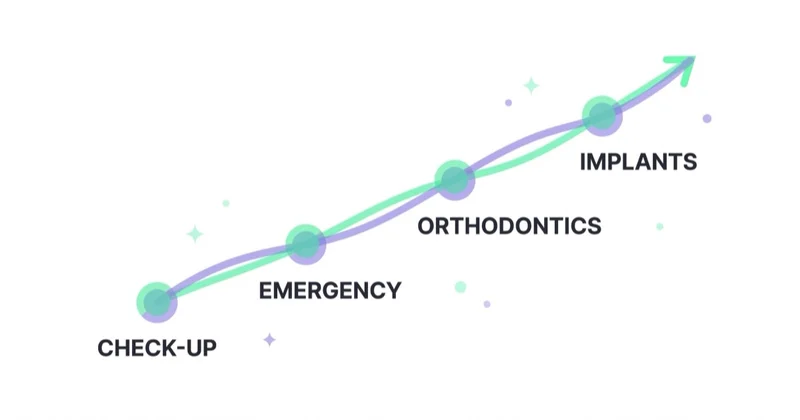
For advanced accounts, import qualified stages or values back into Google Ads. The signal does not need to expose sensitive details. It can use generic stages such as appointment_booked, implant_consultation_qualified, treatment_started or value bands reviewed by privacy counsel.
Google Business Profile and reviews
Google Business Profile is a conversion surface for dental practices. Patients often read the profile before deciding whether to call, even when paid ads created the first touch.
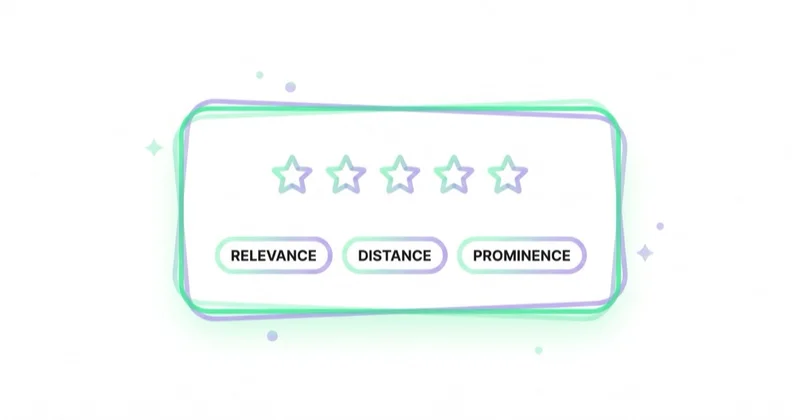
Google's local ranking guidance highlights relevance, distance and prominence, and recommends complete, accurate business information, verification, current hours, review responses and photos. For dentistry, that translates into:
- accurate categories and services;
- current hours, emergency availability and holiday updates;
- phone number and booking link;
- real photos of the exterior, reception, treatment rooms and team;
- service descriptions that match the website;
- review request process after appropriate visits;
- professional responses that do not reveal patient details;
- insurance, financing or payment information where accurate.
Reviews influence both visibility and conversion. They should be earned ethically and answered carefully. Never disclose treatment details, appointment history or patient facts in a review response.
Meta and Instagram for dental practices
Meta and Instagram are useful when the practice has good creative, neutral language and a follow-up system. They are usually weaker than Search for urgent intent, but stronger for education, awareness and consideration.
Good Meta use cases:
- clinic and team introduction;
- educational videos about first visits, hygiene, implants or orthodontic planning;
- cosmetic consultation awareness without insecurity-led language;
- remarketing to website visitors where consent and policy allow it;
- recall or reactivation audiences where data use is permitted;
- local community content and patient experience proof.
Riskier use cases:
- copy that implies the viewer has a dental condition;
- "before/after" claims that imply typical medical results without context;
- fear-based creative around pain, embarrassment or appearance;
- uploading patient lists without proper authorization, consent and policy review;
- collecting health details in lead forms that sync into ad platforms.
The safer creative approach is to promote the practice, the consultation, the service category and the booking path, not the viewer's personal health status.
Landing pages for dental PPC
Every high-value service deserves a page that matches the searcher's intent. An implant consultation page should not be the same as an emergency dentistry page.
Strong dental landing pages include:
- location and appointment options;
- dentist or provider credentials;
- what the first visit includes;
- service scope and suitability;
- financing or insurance information where accurate;
- patient-friendly process explanation;
- reviews or testimonials without overclaiming outcomes;
- mobile-first phone and booking actions;
- FAQ about cost factors, timing and next steps;
- privacy notice and form data minimization.
Form design should reflect the service. A general appointment request may need only basic contact and preferred time. A high-value consultation may need more qualification, but it should not ask for unnecessary health details if the same information can be handled inside a secure clinical workflow.
Privacy-safe conversion tracking
Dental tracking should be designed differently from ecommerce tracking.
Safer practices:

- use generic conversion names, not treatment details in event names;
- avoid putting procedure names, symptoms or appointment reasons in URL parameters;
- do not pass form fields containing health information into ad platforms;
- use consent-aware tagging and server-side controls where appropriate;
- restrict remarketing and Customer Match workflows involving patient data;
- review vendors, tags, pixels and call tracking for HIPAA/state privacy implications;
- document which data is sent to Google, Meta, GA4, CRM and call-tracking tools.
HHS guidance on online tracking technologies says HIPAA covered entities and business associates must consider HIPAA obligations when tracking technologies collect or disclose protected health information. It also notes that tracking on appointment pages can involve PHI in some circumstances. That makes legal and compliance review part of the marketing implementation, not a later cleanup task.
For technical context, see server-side tagging and enhanced conversions.
Measurement: from lead to patient value
The useful dental reporting ladder is:
- click, profile interaction or ad lead;
- call, form or booking request;
- appointment booked;
- patient attended;
- case type or service category;
- treatment accepted;
- revenue or value band;
- repeat appointment, recall or long-term value.
This is where call tracking matters. Emergency and local-intent patients often call first. A campaign that looks weak on forms may be the best source of booked phone appointments. The practice should also report missed calls and response time because paid demand that is not answered is wasted.
How Space Ads approaches dental marketing
Across the 25+ accounts audited daily and roughly 14M monthly data points analyzed through Space Ads OS, dental and healthcare-adjacent accounts usually fail for predictable reasons: blended conversion goals, weak local trust, privacy-risk tracking, no call outcome data or a budget structure that treats a cleaning like an implant consultation.
The audit checks:
- Search and LSA coverage where eligible;
- brand vs non-brand separation;
- service-level campaign and landing page fit;
- search term waste and negative keywords;
- Google Business Profile quality and review posture;
- phone tracking, missed calls and appointment booking;
- conversion names, tags, pixels and sensitive data flows;
- whether reporting shows patient quality, not only lead count.
A marketing audit can show whether a practice is buying booked patients or only buying measurable clicks. Ongoing execution fits under performance marketing, with channel work across Google Ads and Meta Ads.
Common mistakes
| Mistake | Why it hurts | Better approach |
|---|---|---|
| Treating every dental lead equally | Blends low and high-value cases | Segment by service type and patient value |
| Running Search without local trust | Paid clicks validate the practice through reviews | Improve Google Business Profile and review process |
| Passing treatment data into tracking | Creates privacy and platform risk | Use generic events and minimized payloads |
| Optimizing for forms only | Phone-led patients disappear | Track calls, bookings and attended appointments |
| Using one landing page for all services | Weak message match | Build pages for emergency, implants, cosmetic and general care |
| Overusing cosmetic promises | Policy and trust risk | Use consultation-led, evidence-aware language |
| Ignoring front-desk capacity | Leads do not become patients | Track missed calls, response time and show rate |
FAQ
What is dental practice marketing?
Dental practice marketing is the system used to attract, educate, book and retain patients through Google Search, Local Services Ads, Google Business Profile, reviews, SEO, Meta, referrals and follow-up. It should be measured by booked and attended patients, not only clicks or forms.
Do Google Ads work for dentists?
Yes, when campaigns target local and service-specific intent and measure patient quality. Google Search is strong for emergency, general, implant, cosmetic and orthodontic searches, but the account needs negative keywords, service-specific landing pages, call tracking and privacy-safe conversion setup.
Are Local Services Ads available for dentists?
Google lists dentist among eligible health services for Local Services Ads, but eligibility and availability can vary by market, verification status and account conditions. LSAs should be measured by valid leads, booked appointments and attended patients, not only lead volume.
Should a dentist use Meta Ads?
Meta can support dental marketing through education, awareness, remarketing and cosmetic or orthodontic consideration journeys. It should use neutral language and avoid implying that the viewer has a personal health condition or insecurity. Search is usually stronger for immediate booking intent.
How should dental practices track conversions?
Track calls, forms, booking requests, booked appointments, attended appointments and treatment starts. Use generic conversion events and avoid sending symptoms, procedure details or patient identifiers into ad platforms unless reviewed under privacy law, platform policy and consent requirements.
What dental services need separate campaigns?
Emergency dentistry, implants, cosmetic dentistry, orthodontics, pediatric dentistry and general hygiene often deserve separate campaigns or at least separate ad groups and landing pages. They have different intent, value, urgency and follow-up needs.
In short
Dental practice marketing works when intent, trust, privacy and patient value are connected. Google captures active local searches. Local Services Ads can add pay-per-lead visibility where eligible. Meta builds education and consideration. Reviews and Business Profile validate the decision. The account should optimize toward booked and attended patients by service value - not the cheapest visible lead.
Sources and further reading
- Google - Local Services Ads
- Google Business Profile Help - Local ranking documentation
- Google Ads Help - Healthcare and medicines policy
- Google Ads Help - Restricted targeting in personalized advertising
- HHS - Use of Online Tracking Technologies by HIPAA Covered Entities and Business Associates
Continue learning
Continue reading
Tree Service Marketing: Storm Leads and Booked Jobs
Tree service marketing has to capture emergency storm demand and steady planned work without wasting crew capacity. This guide covers Google Search, Local Services Ads, Google Verified, storm budgets, safety proof, call triage and cost per booked job.
Moving Company Marketing: Capture High-Intent Movers in Google
Moving company marketing is won through high-intent Search, fast quoting, local trust and booked-move measurement. This guide covers Google Ads, Local Services Ads, local vs long-distance intent, interstate trust signals, seasonality, capacity and CRM feedback.
Electrician Marketing: Google Ads and Local Services for Steady Jobs
Electrician marketing should produce profitable completed work, not just cheap calls. Learn how to connect Google Ads, Local Services Ads, dispatch capacity and job economics.